Then & Now Daily Home

Category

Culture

35 articles

Before the Algorithm Knew Your Business, the Whole Street Did

Before the Algorithm Knew Your Business, the Whole Street Did

Americans have always shared news, rumors, and neighborhood updates — but the way they did it used to be slow, local, and face-to-face. Social media didn't invent gossip. It just gave it a megaphone, an audience of thousands, and a comment section. Here's what changed when community chatter went from the front porch to the feed.

You Didn't Shop at the Butcher — You Had an Understanding With Him

You Didn't Shop at the Butcher — You Had an Understanding With Him

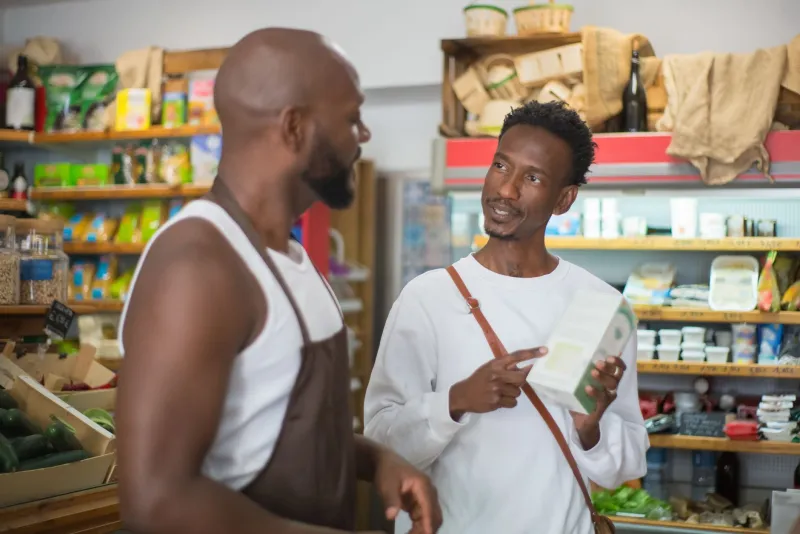
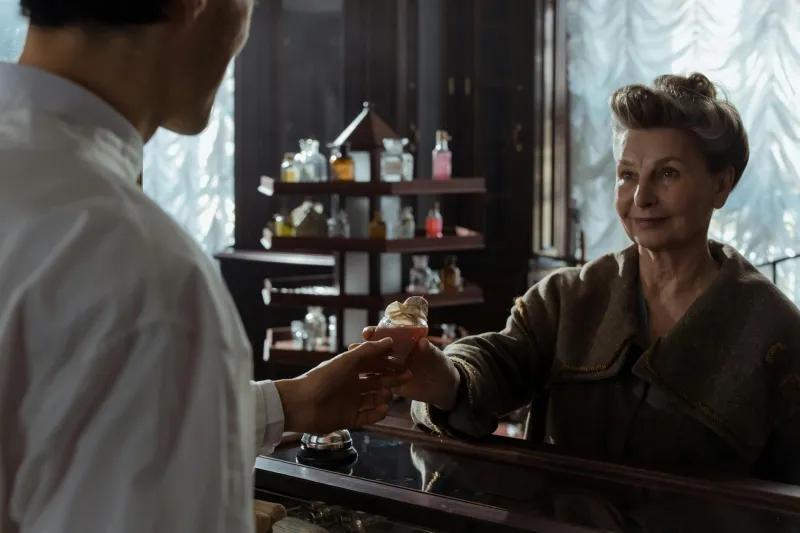
Before loyalty points and two-hour delivery windows, Americans built their food supply around people who knew their names, remembered their preferences, and trusted them to pay on Friday. That system is gone — replaced by something faster, cheaper, and a whole lot lonelier.

The Library Card That Unlocked Everything — Before Americans Started Paying Monthly for the Privilege of Being Informed

The Library Card That Unlocked Everything — Before Americans Started Paying Monthly for the Privilege of Being Informed

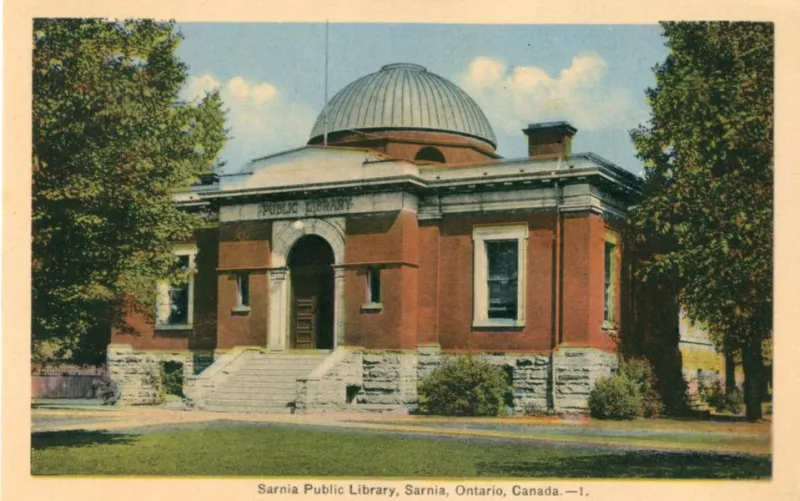
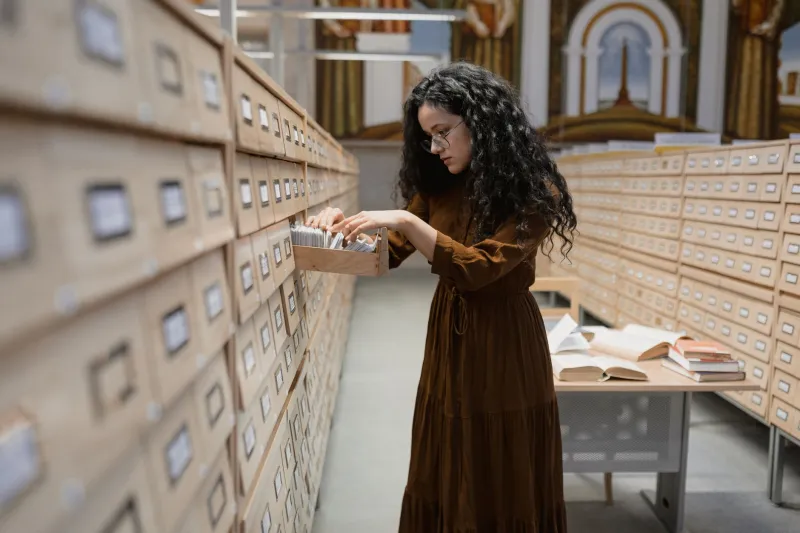
For most of the 20th century, a free library card gave Americans access to books, music, films, newspapers, and expert guidance — no credit card required. Today, the average household pays hundreds of dollars a year across streaming, reading, and audio subscriptions for a version of the same access. The question worth asking is whether we're actually better off.

The Man Who Left Milk on Your Porch Before You Woke Up — America's First Delivery Economy

The Man Who Left Milk on Your Porch Before You Woke Up — America's First Delivery Economy

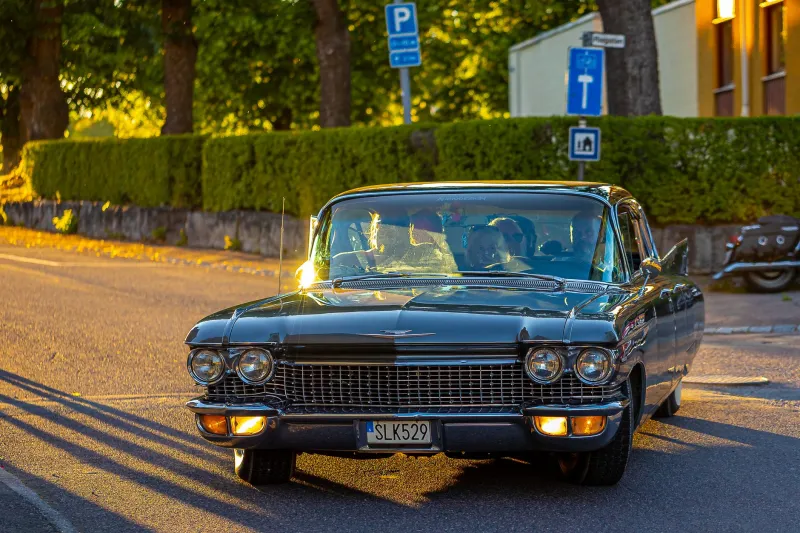
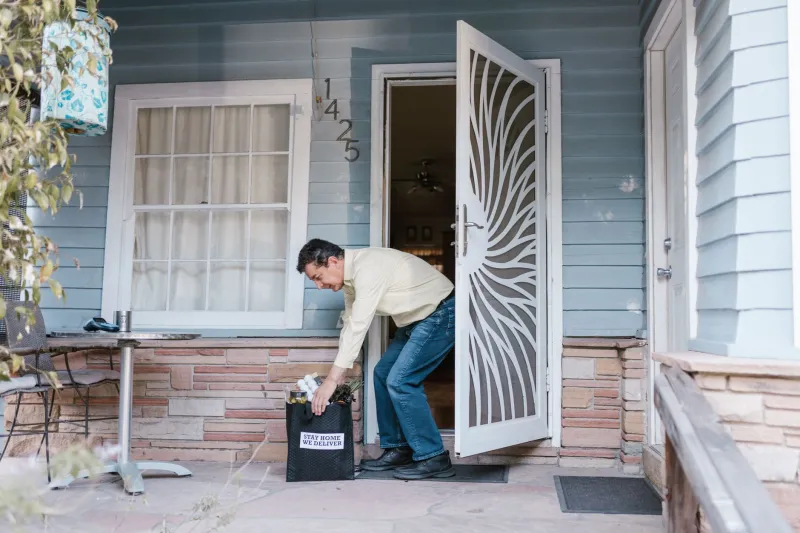
Long before DoorDash notifications lit up your lock screen, Americans had a different kind of delivery system — one built on familiar faces, handwritten notes, and a horse-drawn cart that arrived like clockwork. The milkman wasn't just a convenience. He was a fixture of American neighborhood life that quietly disappeared before anyone thought to mourn it.

The One Weekend That Made the Whole Year Worth It: How the County Fair Taught America What Anticipation Feels Like

The One Weekend That Made the Whole Year Worth It: How the County Fair Taught America What Anticipation Feels Like

For most of American history, the county fair wasn't just an event — it was the event. The one weekend a year that an entire community circled on the calendar, counted down to, and talked about for months afterward. In an era when every weekend offers a festival, a concert, or a curated experience, it's worth asking what we gave up when we made everything available all the time.

When Words Traveled Slowly and Mattered Forever

When Words Traveled Slowly and Mattered Forever

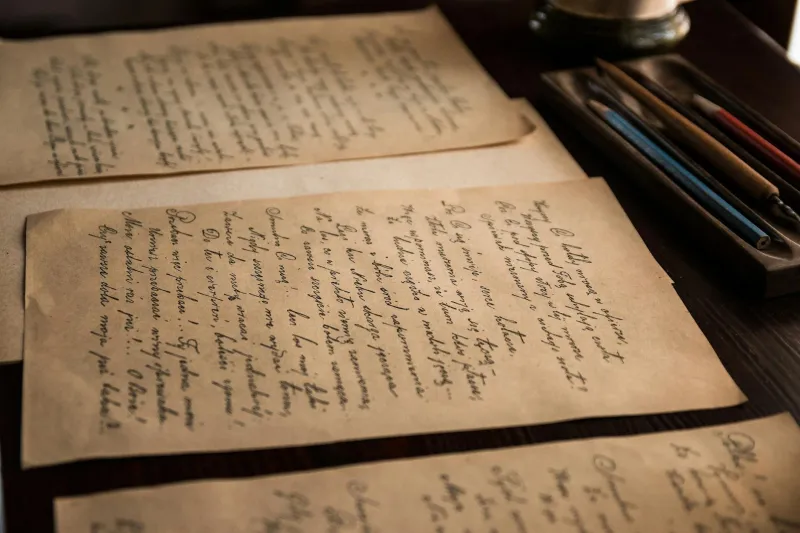
Before instant messaging turned conversation into disposable chatter, Americans crafted letters that took weeks to arrive but lasted lifetimes. The lost art of slow communication created deeper connections than anything our digital age has managed to replace.

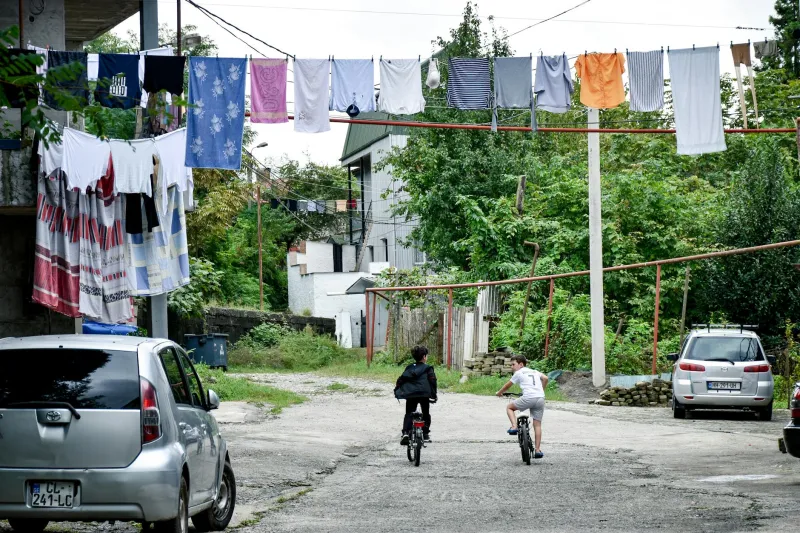
The Village It Takes: When Every House on the Block Helped Raise Your Kids

The Village It Takes: When Every House on the Block Helped Raise Your Kids

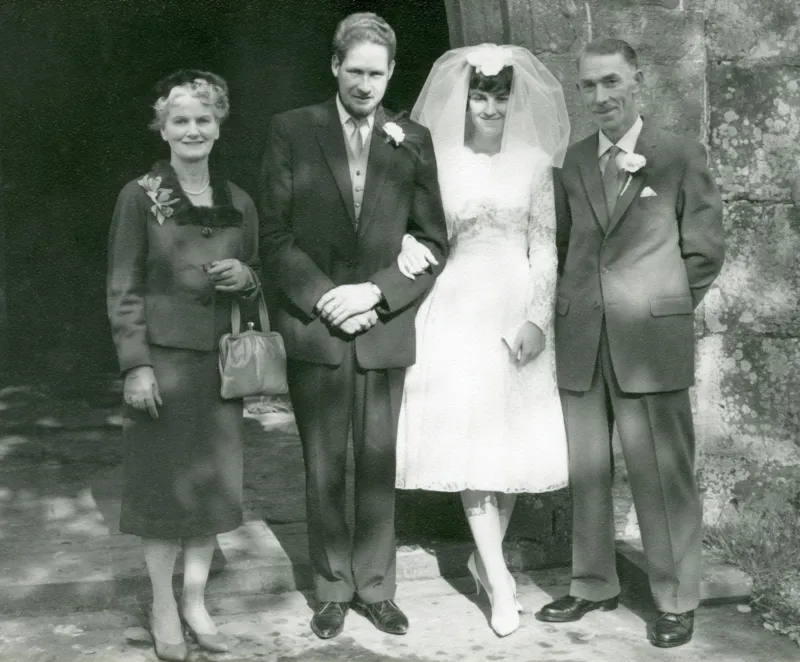
American neighborhoods once functioned as extended families where everyone knew each other's children, borrowed tools without asking, and provided free childcare through informal community bonds. Today, many parents don't know their neighbors' names, let alone trust them with their kids.

When Saturday Morning Meant Every Kid Was Glued to the Same Three Channels

When Saturday Morning Meant Every Kid Was Glued to the Same Three Channels

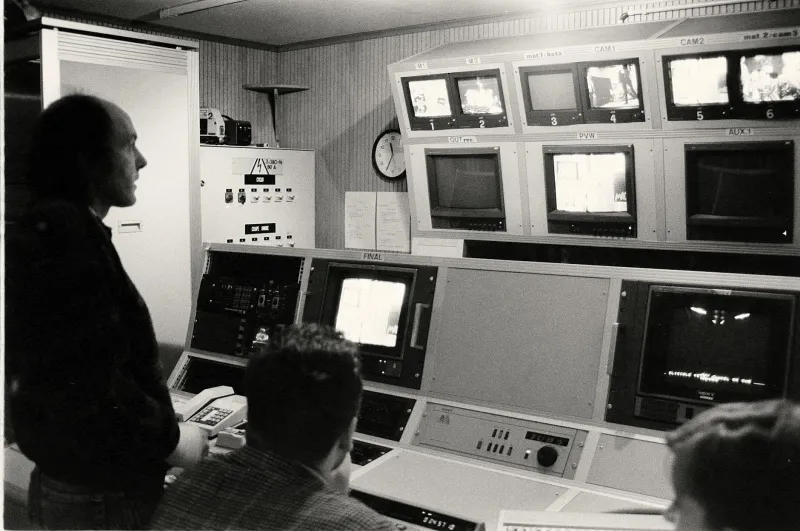
For three decades, Saturday morning television created America's most reliable childhood ritual — millions of kids waking up at dawn to watch the same cartoons at the same time. The death of this shared experience didn't just change TV; it transformed how an entire generation experienced growing up.

The 1950s Grocery Cart That Fed Six People for $20 — And What the Same Haul Runs Today

The 1950s Grocery Cart That Fed Six People for $20 — And What the Same Haul Runs Today

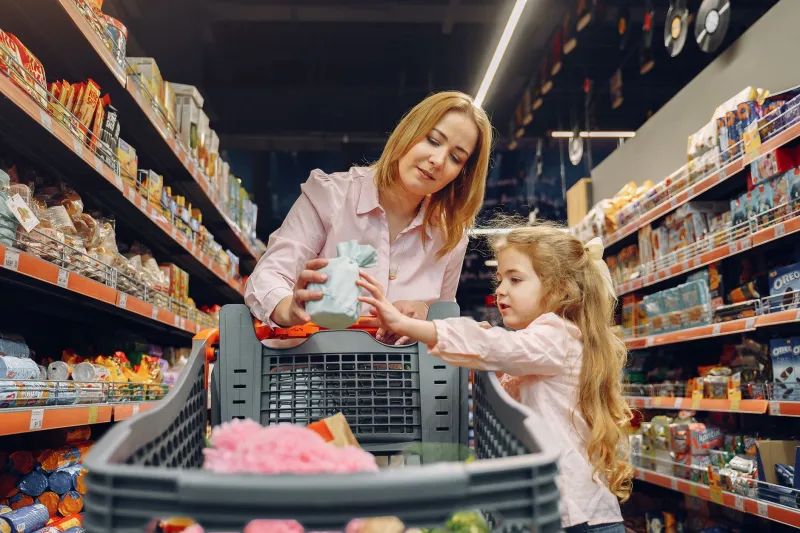
A full week of groceries for a family of six used to cost less than filling your gas tank does today. The contents of the cart have changed, the stores have changed, and so has the share of your paycheck that disappears at the checkout line. Here's what a trip to the supermarket looked like in postwar America — and what it tells us about how we eat and spend now.