The Village It Takes: When Every House on the Block Helped Raise Your Kids
The Neighborhood That Raised a Generation
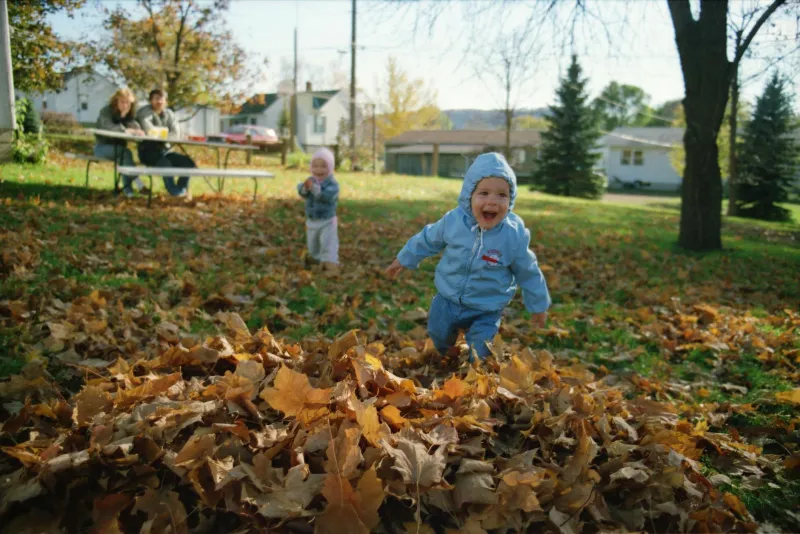
Every summer evening in 1978, eight-year-old David Martinez would hear his mother's voice echo across the suburban Chicago neighborhood: "David! Dinner!" But the call might come from any of six different houses. Mrs. Patterson next door, the Kowalskis across the street, or the elderly Mr. Chen two houses down — any adult who spotted David playing could summon him home.
And David would go, because in his neighborhood, every adult had authority over every child. More importantly, every adult looked out for every child.
This wasn't unique to David's block. Across America, neighborhoods functioned as extended villages where informal networks of mutual support made family life easier, safer, and more connected. Children roamed freely because dozens of eyes watched over them. Parents shared responsibilities because everyone understood they were raising the neighborhood together.
When Borrowing Was Normal
The social fabric of American neighborhoods once operated on assumptions that seem almost quaint today. Neighbors borrowed cups of sugar, lawn mowers, and jumper cables without elaborate arrangements. Children played in each other's yards without formal playdates. Adults stepped in to help with everything from watching kids to bringing in mail during vacations.
This informal economy of favors created powerful bonds. Families knew they could count on neighbors during emergencies, illnesses, or simple daily challenges. The woman next door might pick up your kids from school if you were running late. The retired man across the street would shovel your sidewalk if you were out of town. The family with teenagers might include your younger child in trips to the pool or movies.
These arrangements happened organically, based on proximity, shared circumstances, and gradually built trust. No background checks, no formal agreements, no liability concerns — just neighbors helping neighbors because that's how communities worked.
The Safety Net Nobody Paid For
This neighborhood support system provided enormous economic value that families barely noticed because it cost nothing. Free babysitting from trusted neighbors. Tool sharing that eliminated duplicate purchases. Informal carpooling that reduced transportation costs. Emergency help that prevented expensive service calls.
For working parents, especially mothers entering the workforce in larger numbers during the 1960s and 1970s, neighborhood support made employment possible. Informal after-school care, sick-day coverage, and summer supervision filled gaps that would otherwise require expensive professional services.
Children benefited from multiple adult mentors and diverse family experiences. They learned different skills, heard different perspectives, and developed relationships that often lasted into adulthood. The neighborhood served as an extended classroom where kids absorbed lessons about responsibility, community, and mutual care.
The Great Retreat Indoors
Today's neighborhoods tell a starkly different story. Surveys consistently show that most Americans don't know their neighbors' names, much less trust them with their children. The Pew Research Center found that only 26% of Americans know most of their neighbors, down from over 60% in the 1970s.
Modern parents often view unknown neighbors as potential threats rather than potential allies. "Stranger danger" messaging, amplified by 24-hour news coverage of rare but horrific crimes, convinced families that safety meant isolation rather than community connection.
Suburban design reinforced this retreat. Homes built with attached garages allow families to come and go without encountering neighbors. Backyard privacy fences replaced front porch socializing. Air conditioning eliminated the evening ritual of sitting outside where conversations naturally developed.
The Professional Replacement Economy
As informal neighborhood support disappeared, American families increasingly relied on paid services to fill the gaps. Professional childcare, after-school programs, summer camps, and organized activities replaced the free, flexible support that neighbors once provided.
This professionalization of childhood supervision created enormous new expenses for families. What grandparents and neighbors once provided through informal arrangements now requires background-checked employees, licensed facilities, and insurance coverage. The average American family spends over $12,000 annually on childcare costs that previous generations managed through community cooperation.
Even simple favors became commercial transactions. Lawn care, snow removal, pet sitting, and house watching — services neighbors once traded freely — now require hired professionals. TaskRabbit and similar apps commodified the neighbor-helping-neighbor economy, turning casual community support into gig work.
The Digital Divide
Smartphones and social media promised to strengthen community connections but often achieved the opposite. Families retreat into private digital worlds rather than engaging with physical neighbors. Children's social lives increasingly happen through screens rather than spontaneous neighborhood play.
Parents coordinate their children's activities through apps and group texts with other parents they've specifically chosen, rather than relying on the random mix of neighborhood families. This curated approach creates more control but less serendipity, more safety but less community.
What We Lost in Translation
The collapse of neighborhood community represents more than social change — it reflects fundamental shifts in American values and economics. We've traded interdependence for independence, informal support for professional services, and community responsibility for individual liability.
Children growing up in today's isolated neighborhoods miss crucial lessons about cooperation, mutual aid, and civic responsibility. They learn to rely on parents and paid professionals rather than developing relationships with diverse community members. The skills of asking for help, offering assistance, and navigating informal social obligations atrophy without practice.
Parents bear heavier financial and emotional burdens without community support. The exhaustion many modern families feel partly stems from trying to handle alone what previous generations managed collectively.
The Price of Safety
Our quest for perfect safety paradoxically made families less secure. While violent crime rates have generally declined since the 1970s, fear of neighbors increased dramatically. We protected children from statistically tiny risks while exposing them to larger dangers: social isolation, reduced independence, and missed opportunities to learn from diverse adult mentors.
The economic costs of community collapse compound over time. Families who might have shared resources now duplicate expenses. Parents who might have supported each other through difficult periods now hire professional help or struggle alone.
Echoes in Empty Yards
Drive through any American suburb today and notice the silence. Children rarely play unsupervised in front yards. Adults seldom gather spontaneously. The informal social rhythms that once created community have largely vanished.
David Martinez, now a father himself, lives in a neighborhood where he waves politely to neighbors but doesn't know their names. His children's social lives require extensive parental coordination. What his mother managed through casual neighborhood relationships now demands calendar apps, background checks, and professional services.
Somewhere between protecting our children and pursuing individual success, we dismantled the village that once helped raise them. We're still paying the price — in dollars, isolation, and the lost art of community care.