The Recipe Card Dynasty: When American Families Cooked Every Meal and Restaurants Were for Special Occasions
The Kitchen That Never Closed
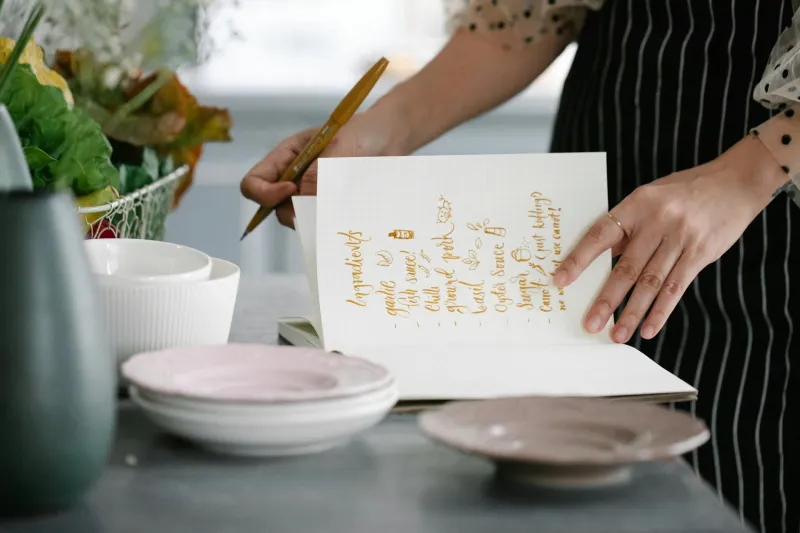
Mary Catherine's recipe box tells the story of American dinner tables better than any cookbook ever could. Wedged between "Aunt Ruth's Potato Salad" and "Sunday Pot Roast," her handwritten cards chronicle fifty years of feeding a family. Ingredients measured in "coffee cups" and "butter the size of a walnut." Cooking times noted as "until it smells right" or "when the children start gathering in the kitchen."
This wasn't meal planning—it was life planning. In 1960, the average American family ate 97% of their meals at home. Restaurants were for anniversaries, graduations, and the occasional Sunday drive. The kitchen was command central, and every mother was expected to be the commanding officer.
The Daily Rhythm of Three Squares
Breakfast happened around the kitchen table at 7 AM sharp. Eggs, toast, bacon on weekdays. Pancakes or French toast on Saturday. Church clothes meant Sunday's big breakfast after service. Lunch was a sandwich packed in a brown bag or soup heated from a can. But dinner—dinner was the main event.
Every afternoon around 4 PM, women across America started the same ritual. Defrosting meat, peeling potatoes, setting the table. Children knew to stay out of the kitchen during the dinner rush, and fathers knew to wash their hands the moment they walked through the door. Six o'clock meant everyone sat down together, and the meal was always ready.
The recipes themselves were family inheritance. Mothers taught daughters not just what to cook, but how to cook without measuring. A pinch of this, a handful of that. Knowledge passed down through muscle memory and kitchen wisdom. "You'll know the bread is done when it sounds hollow," meant more than any timer ever could.
When Eating Out Meant Something
Restaurants occupied a completely different space in American life. The neighborhood diner served coffee and pie to men who worked shifts. The fancy restaurant downtown required reservations and your best clothes. Fast food meant the local drive-in where teenagers gathered on Friday nights.
A family restaurant meal was an event worth discussing for weeks. Children practiced their "company manners" and parents calculated the cost against a week's groceries. McDonald's, founded in 1955, was still a novelty—a place you might visit once a month as a special treat, not a solution to Tuesday's dinner problem.
The average American family spent 18% of their food budget on restaurants and takeout. Today, that number has flipped to over 50%, fundamentally changing not just what we eat, but how we think about meals themselves.
The Convenience Revolution
The transformation didn't happen overnight. It started innocently enough with frozen vegetables and cake mixes in the 1950s. TV dinners promised liberation from kitchen drudgery. Microwave ovens, arriving in most homes by the 1980s, made heating food faster than cooking it.
Each convenience built on the last. Prepared foods sections expanded in grocery stores. Restaurant chains multiplied across suburbia. Delivery moved beyond pizza to encompass every cuisine imaginable. The progression seemed logical: why spend two hours making dinner when you could have it ready in twenty minutes?
But something unexpected happened along the way. The knowledge disappeared. Recipes that survived the Depression and World War II didn't survive the convenience revolution. Cooking skills that seemed as permanent as breathing turned out to be surprisingly fragile.
The Generation That Never Learned
Today's young adults represent the first generation in American history raised primarily on prepared foods. Many have never roasted a chicken, baked bread from scratch, or preserved seasonal vegetables. The recipe box became a museum piece, replaced by Google searches and YouTube tutorials.
The modern American kitchen reflects this shift. Granite countertops showcase appliances that rarely get used. The microwave works overtime while the oven serves as extra storage. Takeout containers fill refrigerators once stocked with ingredients for home-cooked meals.
DoorDash and Uber Eats have completed the circle, turning restaurants into an extension of the home kitchen. Why learn to cook when professional chefs will deliver better food in thirty minutes? The question seems logical until you consider what we've traded away.
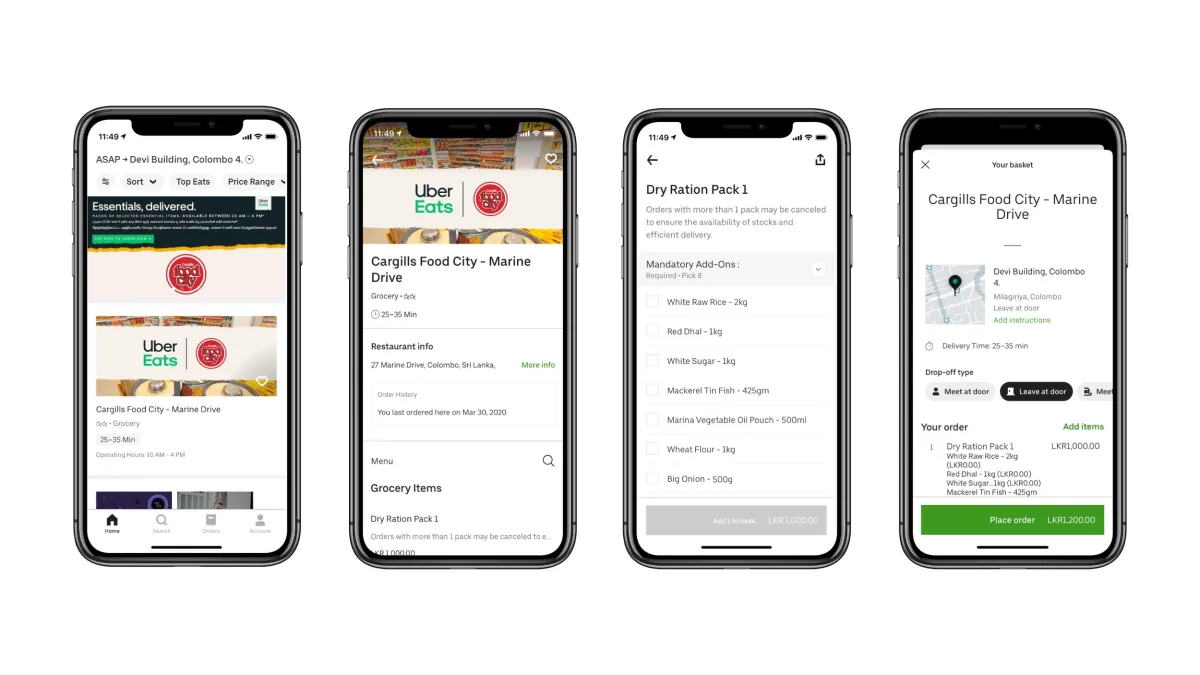 Photo: Uber Eats, via ubernewsroomapi.10upcdn.com
What the Recipe Cards Knew
Cooking was never just about food. It was about rhythm, ritual, and connection. The daily act of preparing meals created structure in family life. Children learned patience waiting for bread to rise. They developed palates through gradual exposure to new flavors. They absorbed lessons about planning, budgeting, and caring for others.
The recipe card system represented something modern meal delivery can't replicate: institutional knowledge. Families developed signature dishes, holiday traditions, and comfort foods that defined their identity. "Mom's spaghetti sauce" meant something specific, irreplaceable, and deeply personal.
Those handwritten cards also taught resourcefulness. Recipes adapted to what was available, seasonal, and affordable. Leftovers became new meals. Nothing was wasted. The kitchen was a laboratory for creativity within constraints.
The Cost of Convenience
Today's food landscape offers unprecedented variety and convenience. We can eat Thai food on Tuesday, Mexican on Wednesday, and Italian on Thursday without leaving our couch. The global pantry is available 24/7 at the touch of a smartphone screen.
But convenience comes with hidden costs. The average American household now spends over $3,000 annually on restaurant meals and delivery—money that could fund a year of home cooking. More importantly, we've lost the skills, knowledge, and daily rituals that once defined family life.
The recipe box sits in the back of the closet now, its index cards yellowed with age and splattered with evidence of meals long forgotten. The meatloaf recipe that fed three generations waits patiently, written in careful cursive, for someone to remember that dinner used to mean more than just getting fed.
Someday, perhaps, someone will dust off those cards and discover what their grandmother knew: the best meals aren't delivered—they're made with your own hands, in your own kitchen, for the people you love.