When a Three-Cent Stamp Could Reach Anyone in America — And the Post Office Ruled Communication
The Era When Mail Was King
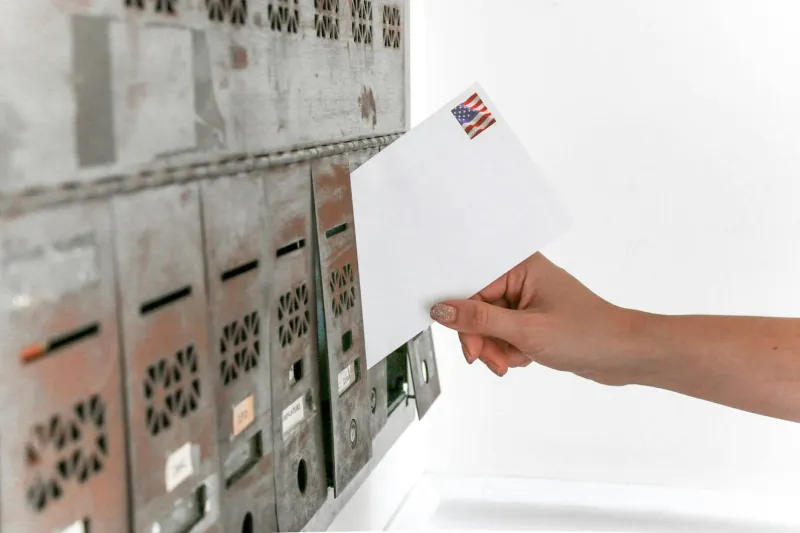
In 1960, a first-class stamp cost three cents. For those three pennies, you could send a letter anywhere in America — from a Manhattan apartment to a farmhouse in rural Montana — and trust it would arrive within days. The postal service wasn't just a government agency; it was the nervous system of American society.
Families separated by distance relied entirely on handwritten letters. College students wrote home weekly, their parents eagerly awaiting news from campus. Soldiers overseas poured their hearts into letters that would take weeks to reach loved ones. Business deals were sealed with formal correspondence on company letterhead. Even paying bills meant writing checks, stuffing envelopes, and trusting the mail carrier to complete the transaction.
The post office employed nearly 600,000 people and delivered to 180 million addresses daily. Mail carriers knew their routes by heart, recognizing handwriting and understanding the rhythms of each neighborhood. Getting mail was an event — people rushed to their mailboxes with genuine anticipation.
The Golden Age of Postal Dominance
By the 1970s, the postal service had become a cultural institution that touched every aspect of American life. Catalog shopping through Sears and Montgomery Ward relied entirely on mail-order systems. Publishers sent magazines and newspapers through the mail. Government agencies communicated with citizens exclusively through postal delivery.
The economics were staggering. In 1975, Americans sent over 89 billion pieces of mail annually. A first-class stamp cost 10 cents — still affordable enough that families routinely exchanged letters across the country. The postal service generated enough revenue to sustain itself while providing universal service to even the most remote addresses.
Department stores built entire business models around mail-order catalogs. The Sears catalog, nicknamed the "wish book," arrived in homes like clockwork, sparking family discussions about potential purchases. Rural Americans especially depended on catalog shopping, since local stores carried limited inventory.
The Digital Revolution Changes Everything
The transformation began quietly in the 1990s. Email started replacing personal letters. Online bill payment eliminated millions of monthly transactions. E-commerce giants like Amazon chose to partner with private delivery services rather than rely solely on the postal service.
The numbers tell a stark story. First-class mail volume peaked in 2001 at 103 billion pieces. By 2020, that figure had plummeted to just 52 billion pieces — a 50% decline in less than two decades. Meanwhile, package delivery exploded, but private companies like UPS and FedEx captured much of that lucrative market.
Today's first-class stamp costs 66 cents — a 2,100% increase since 1960. Adjusted for inflation, that three-cent stamp should cost about 30 cents today, meaning postage has increased at more than double the rate of general inflation.
The Cultural Shift Nobody Noticed
The postal service's decline reflects a broader transformation in how Americans communicate and consume. Text messages replaced love letters. Online banking eliminated monthly check-writing rituals. Social media provided instant updates that once required lengthy letters.
Young Americans today have never experienced the anticipation of waiting for mail. They've never written a check to pay rent or utilities. The idea of conducting business exclusively through written correspondence seems as antiquated as using a typewriter.
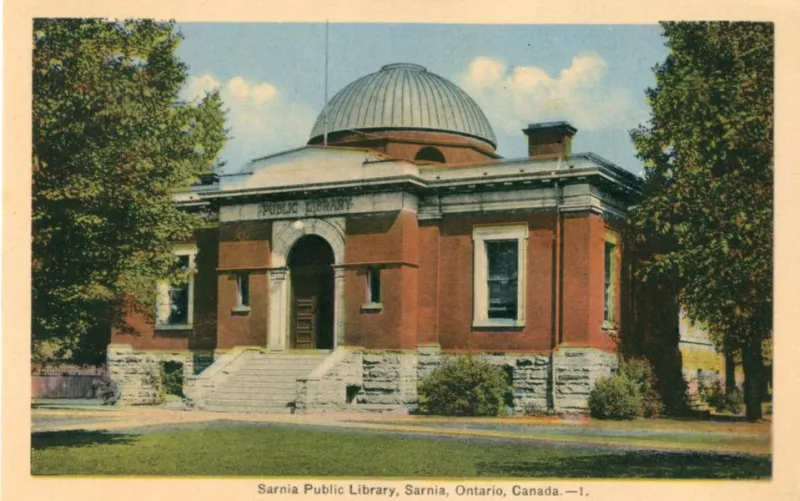
Even the physical infrastructure tells the story. Post offices that once anchored small-town main streets now sit empty or converted to coffee shops. Mail slots in homes built before 1990 remain unused. The familiar blue collection boxes disappear from street corners as usage drops.
Fighting for Relevance
The modern postal service operates at a massive disadvantage. It's legally required to deliver to every American address — including remote locations that private companies avoid — while charging uniform prices nationwide. Amazon can choose its most profitable routes; the postal service must serve everywhere equally.
Package delivery has become the postal service's lifeline, but even that market faces intense competition. Amazon built its own delivery network. FedEx and UPS expanded their residential services. The postal service often serves as the final-mile delivery partner for these competitors, handling the least profitable segments while they capture the premium business.
Operating losses have become routine. The postal service lost $9.2 billion in fiscal year 2020, despite handling record package volumes during the pandemic. Without significant reform or subsidies, the current model appears unsustainable.
What We Lost Along the Way
The postal service's decline represents more than economic disruption — it's the end of a shared American experience. Previous generations understood that mail connected the entire country through a single, democratic system. Rich and poor paid the same price to send letters. Urban and rural Americans received equal service.
That universal connection has fragmented into multiple private systems optimized for profit rather than public service. The result is faster, more convenient communication for most Americans, but also the loss of a unifying national institution that once bound the country together.
The three-cent stamp era feels impossibly distant now, but it lasted for generations. Today's digital communication revolution happened in barely two decades, leaving the postal service scrambling to find its place in an America that no longer needs what it was designed to provide.