The Quarter That Bought Pure Joy: When Ice Cream Trucks Ruled American Summers
The Sound That Stopped Traffic
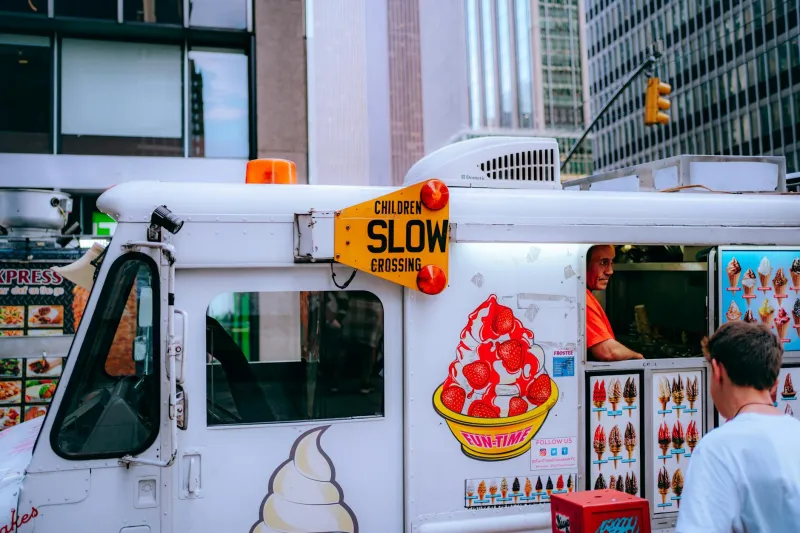
Every American over thirty knows the feeling. You're playing in the backyard when you hear it — that tinny, slightly off-key melody drifting through the neighborhood air. "The Entertainer" or "Turkey in the Straw" crackling through a decades-old speaker system. Time stopped. Whatever you were doing didn't matter anymore. The ice cream truck was coming.
 Photo: Turkey in the Straw, via media.audubon.org
 Photo: The Entertainer, via flipspanish.com
In 1980, a Bomb Pop cost twenty-five cents. A Rocket Pop was the same price. For fifty cents, you could get the premium stuff — a Strawberry Shortcake bar or one of those character-shaped popsicles where the gumball eyes never quite lined up right. A dollar bill made you the neighborhood's ice cream royalty for the day.
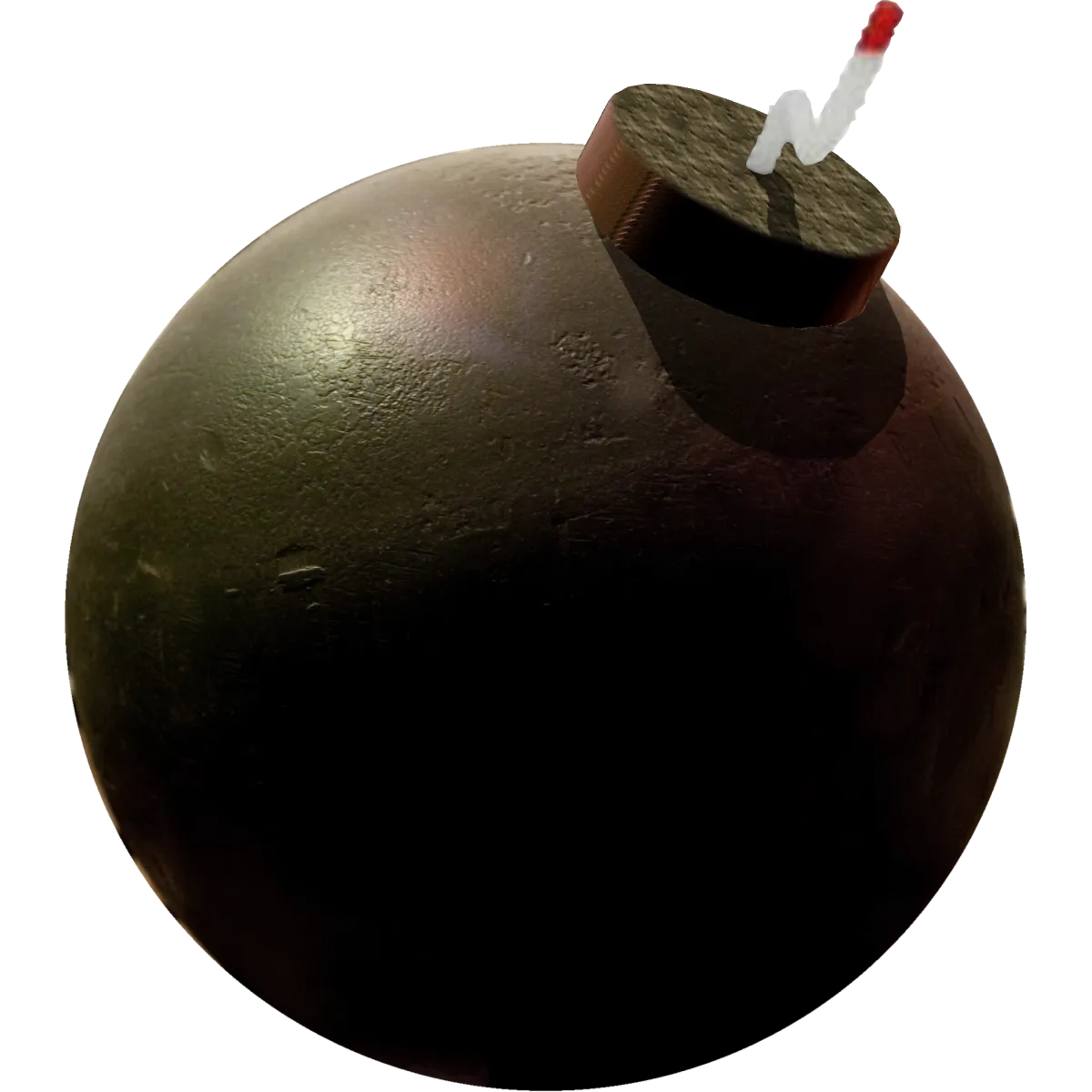 Photo: Bomb Pop, via pngimg.com
The math was simple enough that any seven-year-old could handle it. Find a quarter in the couch cushions, grab your friends, and chase down that slow-moving truck playing the same four songs on endless repeat. Pure summer magic, available to virtually every American child.
When Every Street Had Its Route
Back then, ice cream trucks weren't just occasional visitors — they were part of the neighborhood infrastructure. Drivers knew their routes by heart, timing their arrival to catch the after-school crowd or the post-dinner families. They knew which streets had the most kids, which parents were generous with quarters, and exactly how long to idle at each corner to maximize sales.
The trucks themselves were simpler operations. Most were converted vans or small box trucks with basic freezer units, hand-painted signs, and those unforgettable speaker systems. The overhead was manageable: gas, ice cream wholesale costs, and maybe a permit or two. A driver could make decent money hitting the right neighborhoods at the right times.
Suburban developments were ice cream truck paradise. Long streets filled with young families, kids playing outside until dark, and parents who remembered their own childhood encounters with the neighborhood ice cream man. The trucks were woven into the fabric of American summer — as predictable as fireflies and as welcome as the first warm day of the year.
The Economics of Childhood Joy
What made the ice cream truck magical wasn't just the frozen treats — it was the accessibility. Unlike the corner store or the mall food court, the ice cream truck came to you. And unlike those other options, it operated on kid-friendly economics. A quarter wasn't just pocket change; it was purchasing power.
Parents didn't mind the expense because there wasn't much expense to mind. Fifty cents for a happy kid and twenty minutes of peace? Easy math. The ice cream truck was affordable family entertainment, impulse buying without the guilt.
The drivers could afford to keep prices low because their costs were reasonable. Gas was under a dollar per gallon. Insurance was manageable. Wholesale ice cream costs hadn't exploded yet. A successful route could net enough profit to make the business worthwhile without charging premium prices.
The Slow Fade of Summer's Soundtrack
Sometime in the past two decades, the ice cream truck began its quiet retreat from American life. The reasons piled up like a slow-motion accident. Gas prices that made route driving expensive. Insurance costs that treated ice cream vendors like high-risk operations. Health department regulations that required commercial-grade equipment and extensive permitting.
Suburban design shifted too. Gated communities that banned commercial vehicles. Neighborhoods built around cul-de-sacs that made route driving inefficient. HOA rules that classified ice cream trucks as "commercial disturbances." The very suburban sprawl that once provided perfect hunting grounds for ice cream vendors began shutting them out.
Parental culture changed as well. The same parents who once sent kids outside with a quarter and instructions to "be back before dark" now scheduled supervised activities and worried about strangers in vans. The ice cream truck, once a symbol of neighborhood safety and childhood freedom, became another thing to be cautious about.
Premium Pricing for Childhood Memories
Where ice cream trucks still operate, the economics have flipped completely. That twenty-five-cent Bomb Pop now costs three or four dollars. Premium bars can run five dollars or more. What once required pocket change now requires parents to plan ahead, budgeting for ice cream truck visits like any other family entertainment expense.
The trucks themselves have evolved into mobile boutique operations. Gourmet ingredients, artisanal flavors, social media marketing. They're targeting adults with disposable income rather than kids with allowance money. The business model has shifted from volume and accessibility to premium pricing and special events.
Some operators have pivoted entirely, focusing on private parties, corporate events, and food truck festivals. The random neighborhood route — that magical unpredictability that made ice cream trucks special — has become economically unsustainable in many markets.
What We Lost When the Music Stopped
The decline of the ice cream truck represents something larger than just changing snack options. It's about the disappearance of spontaneous, affordable joy from American childhood. About neighborhoods that once hummed with commercial life becoming sterile residential zones. About the way economic pressures can slowly squeeze out the small pleasures that once seemed permanent.
For kids today, treats are planned purchases from grocery stores or scheduled stops at frozen yogurt shops. The thrill of hearing that distant music, the scramble to find change, the breathless sprint down the sidewalk — those experiences are becoming as rare as fireflies in suburbia.
The ice cream truck's retreat is also about the broader economics of small business in America. When basic operational costs — fuel, insurance, permits, equipment — price out simple operations like neighborhood ice cream sales, it signals how much harder it's become for entrepreneurs to serve local markets with affordable products.
The Sound of Summer, Fading
Some neighborhoods still hear it — that familiar jingle cutting through the evening air. But for most Americans, the ice cream truck has joined other disappeared institutions of childhood: the corner drugstore with a soda fountain, the local five-and-dime, the neighborhood movie theater with Saturday matinees.
We've gained convenience and variety in return. Grocery store freezer sections offer hundreds of ice cream options. Delivery apps can bring frozen treats to your door. But something irreplaceable was lost when that music stopped playing through American neighborhoods — the simple magic of twenty-five cents and the promise that joy was always just around the corner, playing the same four songs on endless, wonderful repeat.