The Hour That Used to Matter: How America Forgot How to Take a Real Lunch Break
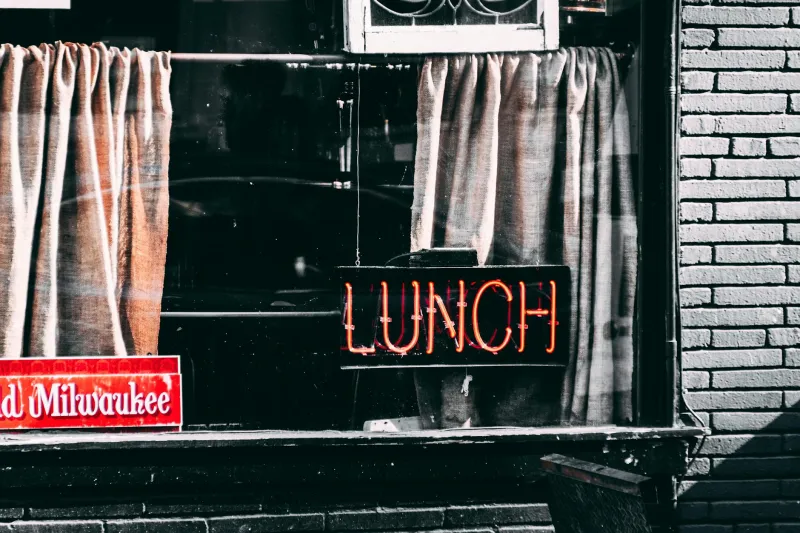
When 12 O'Clock Meant Something
Every day at noon, downtown America emptied out. Office workers streamed onto sidewalks, heading to diners, cafeterias, and lunch counters. The ritual was so universal that restaurants planned their entire day around it, hiring extra staff and preparing for the daily rush that would fill every seat between 12 and 1 PM.
This wasn't just about food. The American lunch break of the 1950s and 60s was a genuine interruption to the workday — a time when business stopped, phones went unanswered, and people sat down together to eat actual meals. It was as fundamental to office culture as the morning commute.
That world feels almost fictional now. Today's "lunch break" happens between meetings, involves food eaten while staring at screens, and often gets skipped entirely when deadlines loom. We've convinced ourselves this is more efficient, but we might have traded away more than we realized.
The Sacred Hour
In mid-century America, lunch wasn't negotiable. It was written into labor contracts, protected by union agreements, and respected by management as a basic workplace right. From factory floors to corporate offices, work simply stopped at midday.
The typical lunch break lasted a full hour, sometimes longer. Workers didn't grab sandwiches and return to their desks — they left the building. Office cafeterias served hot meals on real plates with actual silverware. Downtown restaurants built their business models around the predictable flood of workers who arrived precisely at noon.
Restaurants responded with efficiency that would impress today's fast-casual chains. Lunch counters could serve a complete meal — soup, sandwich, coffee, and pie — in twenty minutes. Waitresses knew regular customers' orders by heart. The goal was good food served quickly, leaving time to actually eat and perhaps take a brief walk before returning to work.
The Social Architecture of Lunch
Lunch breaks created daily social rituals that extended far beyond nutrition. Coworkers who might barely interact during work hours found themselves sharing tables and conversations. Office hierarchies softened over shared meals. Important business relationships were built not in conference rooms, but over coffee and apple pie.
The lunch break also provided a natural rhythm to the workday. Morning energy could be sustained until noon, knowing a genuine break was coming. Afternoon productivity improved because people had actually rested and refueled. The human body's natural circadian rhythms aligned with a work schedule that acknowledged the need for midday restoration.
Many workers used lunch breaks for personal errands that are now squeezed into evenings and weekends. Banking, shopping, doctor's appointments — all could be handled during the protected lunch hour without requesting time off or working late to compensate.
The Erosion Begins
The decline of the real lunch break didn't happen overnight. It began in the 1980s as corporate culture shifted toward greater productivity and efficiency. The idea that workers should be "always available" started in high-powered professions but gradually spread throughout the workforce.
Open office designs played a role. When everyone could see everyone else, leaving for lunch began to feel conspicuous. Eating at your desk, once considered unprofessional, became a sign of dedication. The stigma around taking a full lunch break grew as workplace cultures increasingly valued visible busyness over actual productivity.
Technology accelerated the change. Email meant that urgent matters couldn't wait until after lunch. Mobile phones ensured that workers remained reachable even during their supposed break time. The internet made it possible to handle personal tasks from the office, reducing the need to leave the building.
The Desk Lunch Revolution
Today's typical American worker eats lunch at their desk 62% of the time, according to workplace surveys. The average lunch break has shrunk from 60 minutes to about 30 minutes, and even that time is rarely protected from work interruptions.
Modern lunch culture revolves around efficiency rather than restoration. Salad bars and grab-and-go options cater to workers who need to eat quickly while remaining available for calls and emails. The idea of a leisurely meal seems almost indulgent in today's always-on work environment.
Food delivery apps have made desk dining even easier, eliminating the need to leave the office entirely. While convenient, this trend further erodes the boundary between work time and break time. Lunch becomes just another multitasking opportunity rather than a genuine pause.
What the Research Shows
Studies consistently show that workers who take real lunch breaks — away from their desks, without work distractions — are more productive, creative, and satisfied with their jobs. The mental reset that comes from genuinely stopping work improves afternoon performance and reduces burnout.
Yet only 20% of American workers take a lunch break away from their workspace. The rest eat while working, skip lunch entirely, or grab something quick while running errands. We've created a work culture that discourages the very behavior that would make us more effective.
The health implications extend beyond productivity. Eating while distracted leads to poor digestion and overeating. The lack of midday sunlight and movement contributes to vitamin D deficiency and increased stress levels. We've optimized for short-term efficiency while ignoring long-term well-being.
The European Contrast
Most European countries still protect longer lunch breaks through labor laws and cultural expectations. In France, a two-hour lunch break remains common, and many businesses simply close during midday hours. Spanish siesta culture, while evolving, still recognizes the human need for midday rest.
These aren't less productive economies — they're different approaches to work-life balance that prioritize sustainability over constant availability. American productivity gains from shorter lunch breaks may be offset by higher burnout rates and decreased job satisfaction.
Reclaiming the Pause
Some progressive companies are rediscovering the value of protected lunch breaks. Tech companies with elaborate cafeterias aren't just providing free food — they're creating spaces where employees must stop working to eat. Some organizations have implemented "lunch and learn" programs that combine meals with professional development, making the break feel productive while still providing genuine rest.
The key insight from the era of real lunch breaks isn't nostalgia for three-martini lunches or leisurely business meals. It's recognition that human productivity requires rhythm, that constant availability isn't sustainable, and that some boundaries between work and rest are worth protecting.
The American lunch break didn't disappear because it was inefficient — it disappeared because we forgot that efficiency isn't the only measure of a good workplace. Sometimes the most productive thing you can do is stop producing, sit down, and remember that work is what you do, not who you are.