From Fifty Cents to Fifty Dollars: How Baseball Tickets Became More Expensive Than the Hot Dogs
Picture this: It's 1955, and your grandfather finishes his shift at the factory, picks up the kids, and heads to the ballpark. For 50 cents each, the whole family gets seats in the bleachers. Hot dogs cost a dime, sodas a nickel. The entire afternoon — tickets, food, and maybe some peanuts — runs about $3. That's roughly what a single hot dog costs at most MLB stadiums today.
This wasn't some special promotion or discount day. This was just baseball, accessible to anyone who could spare the change in their pocket.
When Baseball Belonged to Everyone
In the 1950s and 1960s, attending a baseball game was genuinely affordable entertainment for working families. A general admission ticket typically cost between 50 cents and $1.50, even at premier stadiums like Yankee Stadium or Fenway Park. Adjusted for inflation, those tickets would cost about $5-15 today.
The math was simple: if you made the average factory wage of $1.50 per hour in 1955, a baseball ticket cost you about 20 minutes of work. Today, with the average MLB ticket price hovering around $35, and the median wage at roughly $25 per hour, you're looking at nearly 90 minutes of work for the same seat.
But the real shock comes when you factor in the family experience. In 1960, taking a family of four to a game — with decent seats, food, and drinks — cost about $8-12 total. Today, that same outing averages $220 according to Team Marketing Report's Fan Cost Index.
The Stadium Revolution Changed Everything
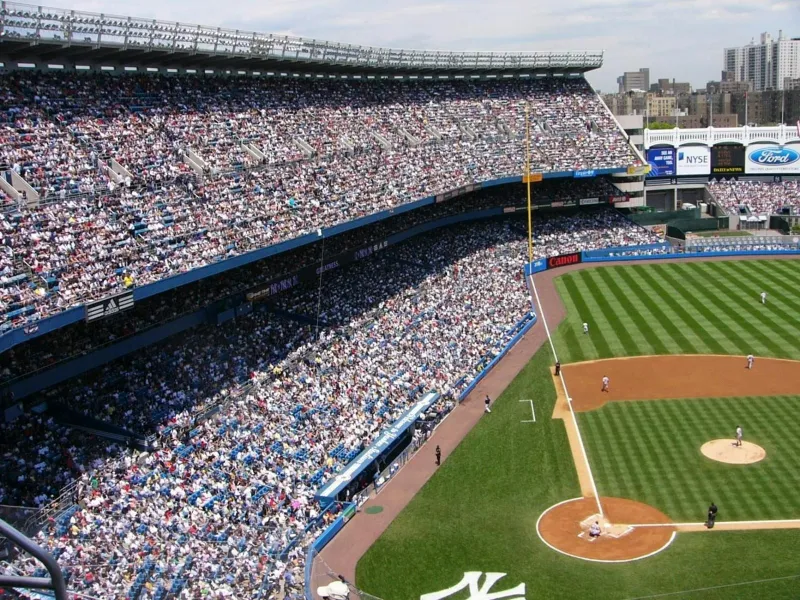
The transformation began in earnest during the 1990s stadium boom. Teams stopped viewing ballparks as simple venues and started treating them as entertainment complexes. The old concrete bowls gave way to "baseball cathedrals" with luxury suites, club seats, and premium dining options.
This shift fundamentally changed the economics of baseball attendance. In 1970, nearly every seat in a stadium was general admission or reserved seating at similar price points. Today's stadiums are designed with multiple pricing tiers — from $15 nosebleed seats to $500 premium locations behind home plate.
The result? Teams can generate more revenue from fewer fans, reducing the incentive to keep prices accessible to working families.
Television Money Transformed the Business Model
Perhaps nothing changed baseball economics more than television contracts. In 1960, the entire MLB television deal was worth about $3 million total. Today, national TV contracts alone exceed $12 billion over eight years, with local broadcast deals adding billions more.
This created a paradox: teams became less dependent on ticket sales for revenue, but used their increased earning power to justify higher prices rather than lower them. The logic shifted from "pack the stadium" to "maximize revenue per seat."
Player salaries followed the same trajectory. In 1960, Mickey Mantle's $65,000 salary made him the highest-paid player in baseball. Today, that wouldn't cover two games' pay for a minimum-wage bench player.
The Corporate Takeover of Ballpark Culture
Walk through any modern stadium and you'll notice something your grandfather wouldn't recognize: corporate branding everywhere. Naming rights, sponsored concession stands, and luxury boxes designed for business entertainment have fundamentally altered who shows up to games.
The old ballpark experience centered around neighborhood fans who attended regularly throughout the season. Today's model prioritizes corporate clients and tourists willing to pay premium prices for occasional visits.
This shift shows up in attendance patterns. In the 1950s and 1960s, many fans attended 10-20 games per season. Today, the average fan attends fewer than two games annually, treating baseball as a special occasion rather than regular entertainment.
What We Lost Along the Way
The pricing transformation represents more than just inflation — it reflects a fundamental change in American entertainment culture. Baseball once served as a democratic gathering place where factory workers sat next to shop owners, where kids learned the game by watching it live rather than on screens.
Today's ballpark experience, while more comfortable and sophisticated, has largely excluded the working-class families who formed baseball's traditional fan base. The sport that once called itself "America's pastime" now caters primarily to America's upper middle class.
The numbers tell the story starkly: in 1960, a family earning the median household income could afford season tickets to their local team. Today, that same family would need to spend nearly 15% of their entire pre-tax income for the same seats.
The Real Cost of Progress
Modern ballparks offer undeniable improvements: better sight lines, superior food options, climate-controlled environments, and entertainment beyond just the game itself. But these upgrades came with a trade-off that wasn't fully anticipated: they transformed baseball from accessible community entertainment into premium leisure consumption.
Your grandfather didn't need to budget for months or choose between baseball games and other family activities. He just went to the ballpark when he felt like watching baseball. That casual accessibility — the ability to spontaneously decide to catch a game — may be what we've lost most in baseball's evolution from pastime to premium experience.
The hot dog that costs more than a 1955 ticket isn't just a symbol of inflation. It's a reminder of when America's favorite pastime belonged to all of America, not just those who could afford the luxury of watching it live.