From Cake and Candles to $500 Spectacles: How American Birthday Parties Became an Arms Race
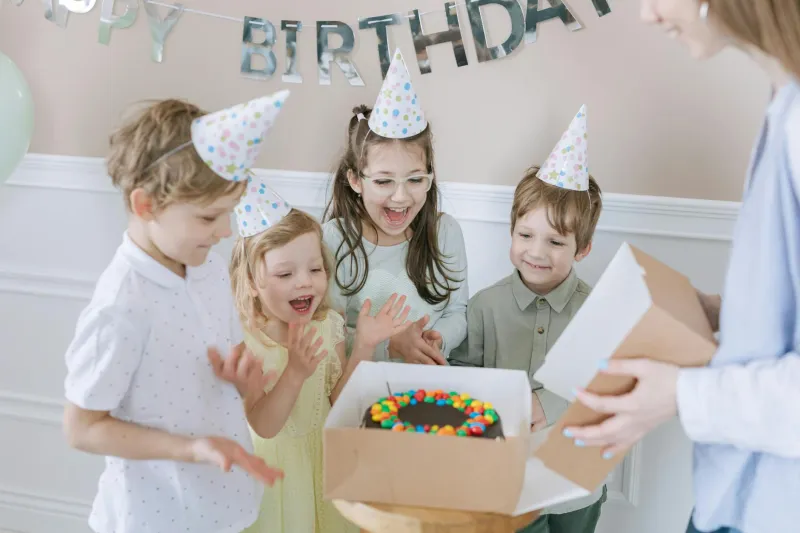
Susan remembers her 8th birthday party in 1973: her mom baked a chocolate cake from a Duncan Hines box, hung streamers from the dining room light fixture, and invited six neighborhood kids for an afternoon of pin-the-tail-on-the-donkey and musical chairs. Total cost: maybe $15, including the small gifts her friends brought wrapped in newspaper comics.
Last weekend, she spent $480 on her daughter's 8th birthday party.
Welcome to the modern American childhood, where birthday parties have evolved from simple celebrations into elaborate productions that leave parents financially stressed and emotionally exhausted.
When Simple Was Enough
For most of American history, kids' birthday parties were intimate, homemade affairs. The standard formula was beautifully simple: invite a few friends over, serve cake and ice cream, play some games in the backyard, and call it a day. The birthday child felt special, friends had fun, and parents didn't need to take out a second mortgage.
These parties reflected the realities of their time. Most families had one income, money was tighter, and entertainment was simpler. Kids were genuinely thrilled by homemade pin-the-tail-on-the-donkey and a chance to eat cake for lunch. Party favors, if they existed at all, might be a small bag of penny candy or a single toy from the dime store.
The guest list was naturally limited by geography and friendship. You invited the kids from your street, your classroom, maybe your scout troop. The idea of inviting an entire grade—or worse, feeling obligated to do so—simply didn't exist.
The Escalation Begins
The transformation started gradually in the 1980s and accelerated through the 1990s. Several forces converged to change everything: dual-income families had more disposable income, the rise of themed entertainment venues offered new options, and competitive parenting culture began taking root.
Chuck E. Cheese, which opened in 1977, pioneered the concept of outsourcing kids' parties to commercial venues. Suddenly, parents could avoid the mess and stress of hosting at home—for a price. Other businesses quickly followed: bowling alleys, skating rinks, and eventually specialized party venues that existed solely to host children's celebrations.
The 1990s brought another game-changer: themed parties tied to popular movies and TV shows. Disney's marketing machine perfected the art of turning entertainment properties into party products. Power Rangers, Barbie, and Pokemon didn't just inspire costumes and decorations—they demanded them.
The Social Media Explosion
If the 1980s and 90s planted the seeds of party escalation, social media made them bloom into full-scale competition. Facebook, Instagram, and Pinterest transformed birthday parties from private family moments into public performances.
Suddenly, every party had an audience beyond the attending children. Parents found themselves planning not just for the kids who would be there, but for the dozens of friends and family members who would see the photos online. The pressure to create "Pinterest-worthy" celebrations became real and relentless.
Professional party planners, once reserved for wealthy families, began targeting middle-class parents who felt overwhelmed by the expectations. Etsy exploded with custom party supplies, personalized decorations, and elaborate party favors that cost more per child than entire parties once did.
The Modern Birthday Industrial Complex
Today's average American kids' birthday party costs between $300-600, according to party planning surveys. But many families spend significantly more, especially in competitive suburban markets where parents feel pressure to keep up with increasingly elaborate celebrations.
The modern party checklist reads like a small wedding: custom invitations, themed decorations, professional entertainment, specialized cakes, elaborate party favors, photographer, and often a rented venue. Some parents hire party planners, rent bounce houses, and provide meals that rival restaurant quality.
The party favor bags alone often cost $15-25 per child—more than entire parties cost a generation ago. These aren't simple treats anymore, but carefully curated collections of toys, snacks, and branded merchandise that parents spend hours assembling.
The Stress Behind the Smiles
Behind the Instagram-perfect photos lies a reality many parents struggle with privately. Birthday party planning has become a source of genuine anxiety for families across income levels. Parents report losing sleep, arguing with spouses, and going into debt to meet what feels like mandatory social expectations.
The pressure is particularly intense for working parents who feel guilty about limited time with their children. Throwing an elaborate party becomes a way to demonstrate love and commitment, even when the financial strain is significant.
Children, meanwhile, have become accustomed to increasingly high levels of entertainment and stimulation. What once thrilled kids—a homemade cake and simple games—now feels inadequate compared to the elaborate productions they experience at friends' parties.
The Comparison Trap
Social media has created a feedback loop that pushes parties to ever-greater extremes. Parents see other families' celebrations online and feel compelled to match or exceed them. What starts as wanting to make their child happy becomes an exercise in keeping up with perceived community standards.
The irony is that many parents privately wish they could return to simpler celebrations, but feel trapped by expectations they believe other families have created. In reality, most parents are feeling the same pressure and would welcome a return to more modest celebrations.
When More Became Less
Lost in the escalation is something precious: the intimacy and genuine joy that characterized simpler celebrations. Modern parties often feel more like performances than genuine celebrations, with parents so focused on execution that they miss their child's actual experience.
Kids, too, can become overwhelmed by the spectacle. Child psychologists note that overstimulating parties can actually reduce enjoyment and create anxiety rather than joy. The simple pleasure of playing with friends can get lost amid professional entertainment and structured activities.
Finding the Way Back
Some families are beginning to rebel against party culture extremes. "Fiver parties" ask guests to bring $5 instead of gifts, with the money going toward a larger present or experience. "No-gift parties" focus purely on celebration without the expectation of presents.
Other parents are returning to basics: smaller guest lists, homemade cakes, and simple activities that prioritize connection over spectacle. These parties often generate more genuine joy and lasting memories than their expensive counterparts.
The Real Celebration
The transformation of American birthday parties reflects broader changes in parenting culture, economic inequality, and social media pressure. What began as a desire to celebrate children has sometimes become a source of stress and financial strain that serves parents' anxieties more than kids' happiness.
The challenge for modern parents is remembering what birthday parties are actually for: celebrating another year of a child's life with the people who care about them. Everything else—the decorations, entertainment, and elaborate favors—are just extras that may or may not enhance that fundamental purpose.
Perhaps the most radical act in today's party culture is the simplest one: focusing on the birthday child's genuine joy rather than the performance for everyone else.