Then & Now Daily How far we've come — and how fast.

Then & Now Daily

How far we've come — and how fast.

Latest Articles

When a Handshake Was Enough: How Americans Bought and Sold Homes Before the Modern Mortgage Machine
Finance

When a Handshake Was Enough: How Americans Bought and Sold Homes Before the Modern Mortgage Machine

In the 1950s and 60s, buying a house often meant walking into a local bank, talking to someone who knew your family, and walking out with a loan approved in a single afternoon. Today's 30-day closing process with its army of specialists would have seemed absurdly complicated to previous generations.

The Five-Year Promise: When Home Loans Were Built to End, Not Last Forever
Finance

The Five-Year Promise: When Home Loans Were Built to End, Not Last Forever

Before the 1930s, buying a house meant putting down half the price and paying off the rest in just five years. No 30-year mortgages, no endless monthly payments — just a quick handshake deal with your local banker who knew your family personally.

When Your Banker Knew Your Kids' Names — How Americans Borrowed Money Before Credit Scores Ruled Everything
Finance

When Your Banker Knew Your Kids' Names — How Americans Borrowed Money Before Credit Scores Ruled Everything

For most of American history, getting a loan meant walking into a bank where someone actually knew you, your family, and your reputation in the community. Today's credit score system would have seemed impossibly impersonal to generations who built financial relationships on trust, character, and a firm handshake.

When Calling Home Meant Waiting Your Turn — How America Shared Phone Lines for Decades
Culture

When Calling Home Meant Waiting Your Turn — How America Shared Phone Lines for Decades

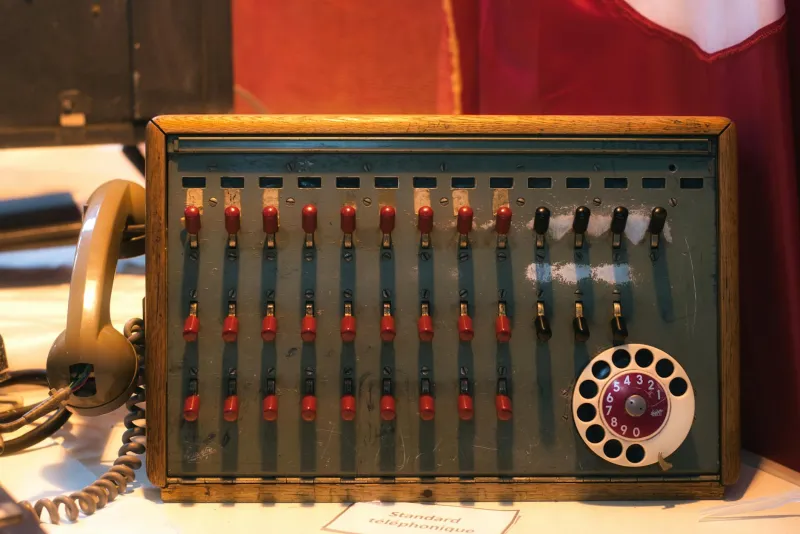
Before every American had their own phone line, neighbors shared party lines where conversations weren't private and making a call required patience. The transformation from communal phone systems to personal devices happened faster than most people realize.

When Your Doctor Lived Down the Street and Charged What You Could Pay
Culture

When Your Doctor Lived Down the Street and Charged What You Could Pay

Before insurance networks and specialist referrals, American families had one doctor who knew their medical history by heart. That personal touch came with a price tag most people could actually afford.

When Detroit Put America on Wheels for $2,400 — Now It Takes $50,000 and a Credit Score
Finance

When Detroit Put America on Wheels for $2,400 — Now It Takes $50,000 and a Credit Score

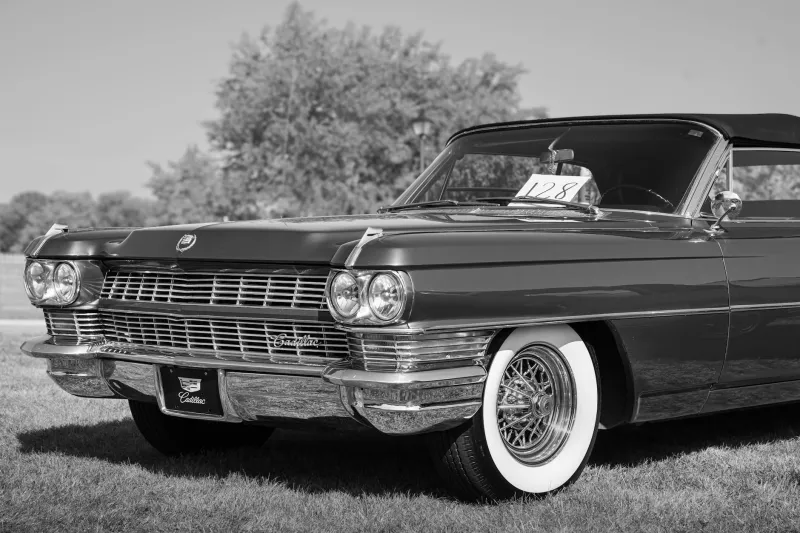
In 1965, a factory worker earning $5,000 annually could walk into a Chevrolet dealership and drive home in a brand-new Impala for half a year's wages. Today, that same economic relationship would put a new car at around $25,000 — but the average transaction price has doubled to over $48,000.

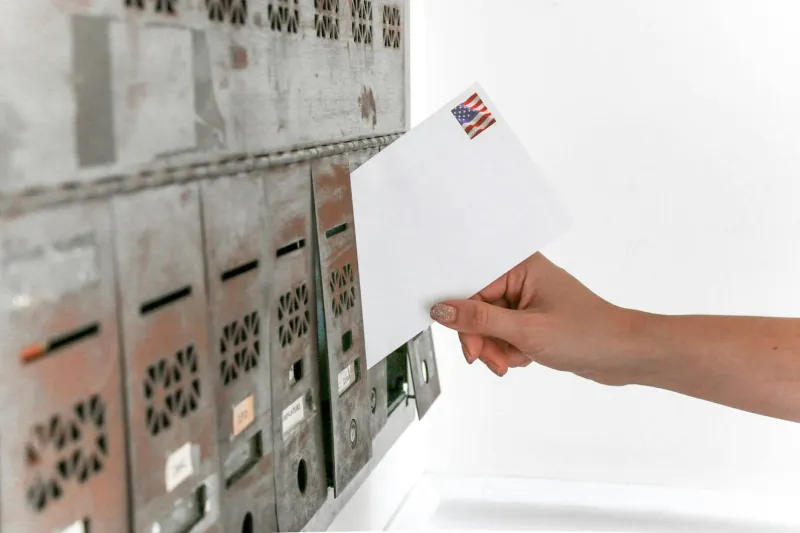
When a Three-Cent Stamp Could Reach Anyone in America — And the Post Office Ruled Communication
Culture

When a Three-Cent Stamp Could Reach Anyone in America — And the Post Office Ruled Communication

The US Postal Service once carried the entire weight of American communication on its shoulders, connecting families and businesses for pennies. Today, it's fighting an uphill battle against digital messages and private delivery giants that have fundamentally changed how we stay connected.

When America Went to the Movies Every Week — And a Ticket Cost Less Than Coffee
Culture

When America Went to the Movies Every Week — And a Ticket Cost Less Than Coffee

In 1950, Americans bought 4 billion movie tickets at 23 cents each, making cinema the nation's most popular pastime. Today, we buy fewer than 1 billion tickets at $16 each, while Hollywood chases fewer customers with bigger spectacles.

When Car Dealers Expected Cash and Customers Paid It — The Death of the One-Year Purchase
Finance

When Car Dealers Expected Cash and Customers Paid It — The Death of the One-Year Purchase

In 1965, a factory worker could walk into a Chevrolet dealership and buy a brand-new Impala with cash earned from 11 months of work. Today, that same purchase requires nearly two full years of median income — and almost nobody pays cash anymore.

When Saturday Morning Meant Every Kid Was Glued to the Same Three Channels
Culture

When Saturday Morning Meant Every Kid Was Glued to the Same Three Channels

For three decades, Saturday morning television created America's most reliable childhood ritual — millions of kids waking up at dawn to watch the same cartoons at the same time. The death of this shared experience didn't just change TV; it transformed how an entire generation experienced growing up.

When Flying Meant Putting On Your Best Suit — How Air Travel Went From Luxury to Survival
Travel

When Flying Meant Putting On Your Best Suit — How Air Travel Went From Luxury to Survival

In 1965, boarding a plane meant dressing up, enjoying real silverware, and having enough legroom to actually stretch out. Today's cramped, fee-heavy flying experience would have been unthinkable to passengers who once treated air travel like a night at the opera.

Three Cents to Stay Connected: How the Cost of Reaching Someone Has Completely Inverted
Finance

Three Cents to Stay Connected: How the Cost of Reaching Someone Has Completely Inverted

A stamp once cost a nickel and got your letter across the country. Today, communication is free—but we're paying more than ever to stay connected. Here's the surprising economics of how we've traded postage for subscriptions.

When Three Networks Meant Everyone Watched the Same Thing: The Rise and Fall of Shared Television
Culture

When Three Networks Meant Everyone Watched the Same Thing: The Rise and Fall of Shared Television

Your grandparents chose between three channels and never felt they were missing anything. You have access to thousands of shows and can't decide what to watch. The explosion of entertainment options has created a peculiar new problem: too much choice.

From a Down Payment to a Lifetime of Debt: The 50-Year Shift in How Americans Buy Homes
Finance

From a Down Payment to a Lifetime of Debt: The 50-Year Shift in How Americans Buy Homes

In the 1970s, a young couple could save for a house in three to five years. Today, the median first-time buyer is in their mid-thirties and carrying six figures in other debt. Here's how homeownership transformed from an achievable milestone into a generational challenge.

When a Week in the Hospital Cost Less Than a Month's Rent — And What Changed Everything
Finance

When a Week in the Hospital Cost Less Than a Month's Rent — And What Changed Everything

In 1960, a few nights in the hospital might set you back the price of a decent TV. Today, a single emergency room visit can wipe out a family's savings in one afternoon. Here's the story of how American healthcare went from manageable to financially catastrophic — and why it happened so fast.

College Used to Be Something You Paid Off in a Summer. Now It Follows You for Decades.
Finance

College Used to Be Something You Paid Off in a Summer. Now It Follows You for Decades.

In 1970, a year at a public university cost about the same as a decent used car. Today, four years of tuition can exceed the price of a home. The story of how American higher education became one of the most expensive purchases most people will ever make — and how we got here so fast.

The 1950s Grocery Cart That Fed Six People for $20 — And What the Same Haul Runs Today
Culture

The 1950s Grocery Cart That Fed Six People for $20 — And What the Same Haul Runs Today

A full week of groceries for a family of six used to cost less than filling your gas tank does today. The contents of the cart have changed, the stores have changed, and so has the share of your paycheck that disappears at the checkout line. Here's what a trip to the supermarket looked like in postwar America — and what it tells us about how we eat and spend now.

Your Grandfather Had One Boss His Whole Life. You've Already Had Five.
Culture

Your Grandfather Had One Boss His Whole Life. You've Already Had Five.

For a generation of American workers, one company meant one career. Today, the average person will hold a dozen jobs before they retire — and for many, that's not a failure. It's the plan. Here's how work in America transformed almost beyond recognition.

The Road Trip That Once Took All Summer Now Fits in a Long Weekend
Travel

The Road Trip That Once Took All Summer Now Fits in a Long Weekend

Driving from one coast to the other used to be an expedition that required months of planning, a tolerance for mud, and a fair amount of luck. Today, most Americans can do it in four days without breaking a sweat. Here's how dramatically the open road has changed.

Retirement Used to Run Itself. Now It Requires a Strategy.
Finance

Retirement Used to Run Itself. Now It Requires a Strategy.

Fifty years ago, a typical American worker could retire with a guaranteed monthly paycheck simply by staying employed long enough. Today, that same worker has to function as their own investment manager, benefits planner, and financial forecaster. Here's how one of the biggest economic shifts in modern history landed quietly in everyone's lap.