The Road Trip That Once Took All Summer Now Fits in a Long Weekend
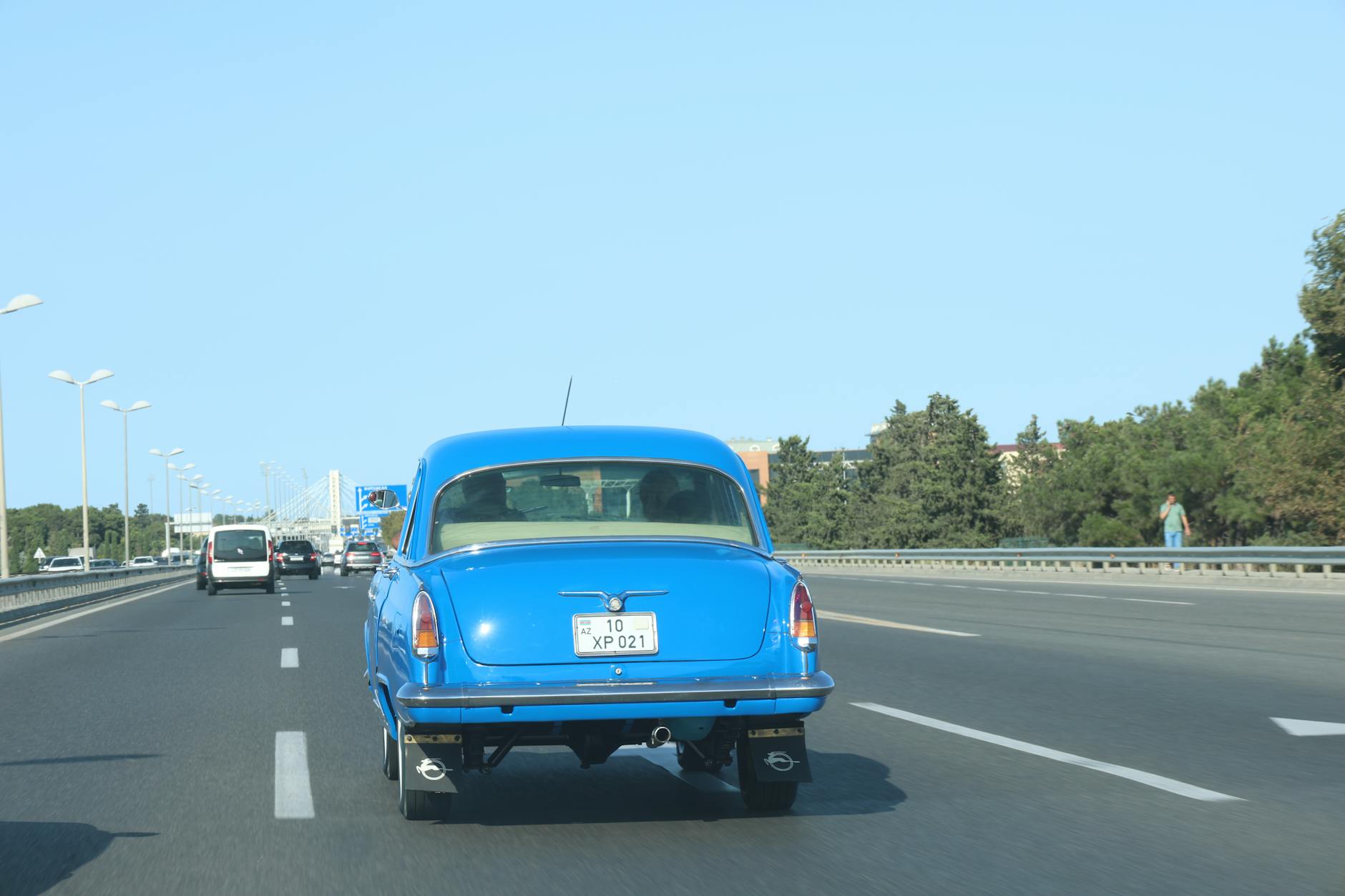
Picture this: you want to drive from New York to San Francisco. You pack the car on a Friday, hit the highway, and with a couple of decent driving days under your belt, you're pulling into California by Tuesday. Grab some In-N-Out, call it a win.
Now rewind about 120 years. Same ambition, completely different reality.
When Getting There Was the Whole Adventure
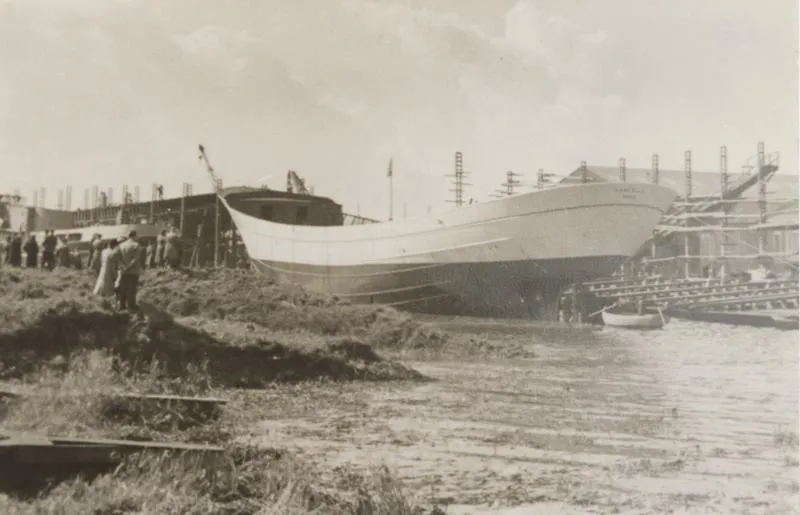
Before the interstate highway system existed — before paved roads existed in any meaningful way — crossing the United States overland was less a road trip and more a survival exercise. In the mid-1800s, settlers making the journey by wagon along the Oregon Trail were looking at four to six months of travel. The route stretched roughly 2,000 miles through terrain that ranged from muddy river crossings to mountain passes that could kill you if the timing was off. Wagons broke down. Supplies ran out. People didn't always make it.
By the early 1900s, the automobile had arrived — but the roads hadn't quite caught up. In 1903, a man named Horatio Nelson Jackson became the first person to drive a car across the continental United States. The trip took 63 days. Sixty-three days to cover ground that a modern driver with a full tank and a decent playlist could handle in under a week. And Jackson didn't do it alone or easily. Parts of the route had no roads at all. At one point, he had to hire a horse to help pull his Winton automobile through a stretch of the route that was simply impassable by car.
Let that sink in. The first transcontinental road trip required a horse rescue.
The Slow Build Toward the Open Road
Things improved gradually through the early 20th century. The Lincoln Highway, established in 1913, was the first road to connect the East Coast to the West Coast — but calling it a highway is generous. Much of it was unpaved, poorly marked, and completely inconsistent from state to state. Drivers in the 1920s attempting the full coast-to-coast run could expect the journey to take anywhere from three weeks to two months depending on weather, breakdowns, and how many times they got lost.
The real turning point came in 1956, when President Eisenhower signed the Federal Aid Highway Act and launched the Interstate Highway System. Eisenhower had seen firsthand during World War II how Germany's Autobahn network gave their military a strategic advantage, and he was determined to give the US something similar. The result was a 41,000-mile network of standardized, high-speed roads that gradually stitched the country together in a way that had never existed before.
By the 1970s, you could drive from New York to Los Angeles on a connected system of interstates. By the 1980s, it was routine.
What the Numbers Actually Look Like
The contrast between then and now is almost hard to process when you lay it out side by side.
- 1843 (wagon trail): New York to Oregon — approximately 5 months
- 1903 (first car crossing): New York to San Francisco — 63 days
- 1920s (early highways): Coast to coast by car — 3 to 8 weeks
- Today (interstate system): New York to Los Angeles — roughly 40 to 45 hours of driving, typically done in 4 to 5 days at a comfortable pace
That's not just faster. That's a fundamentally different category of experience.
And the improvements haven't stopped at road infrastructure. GPS navigation means you're never truly lost. Rest stops, gas stations, and fast food chains appear with clockwork regularity. Modern cars can cruise at 75 miles per hour for hours without complaint. Roadside assistance apps mean a flat tire is an inconvenience rather than a potential disaster.
The Road Trip as American Identity
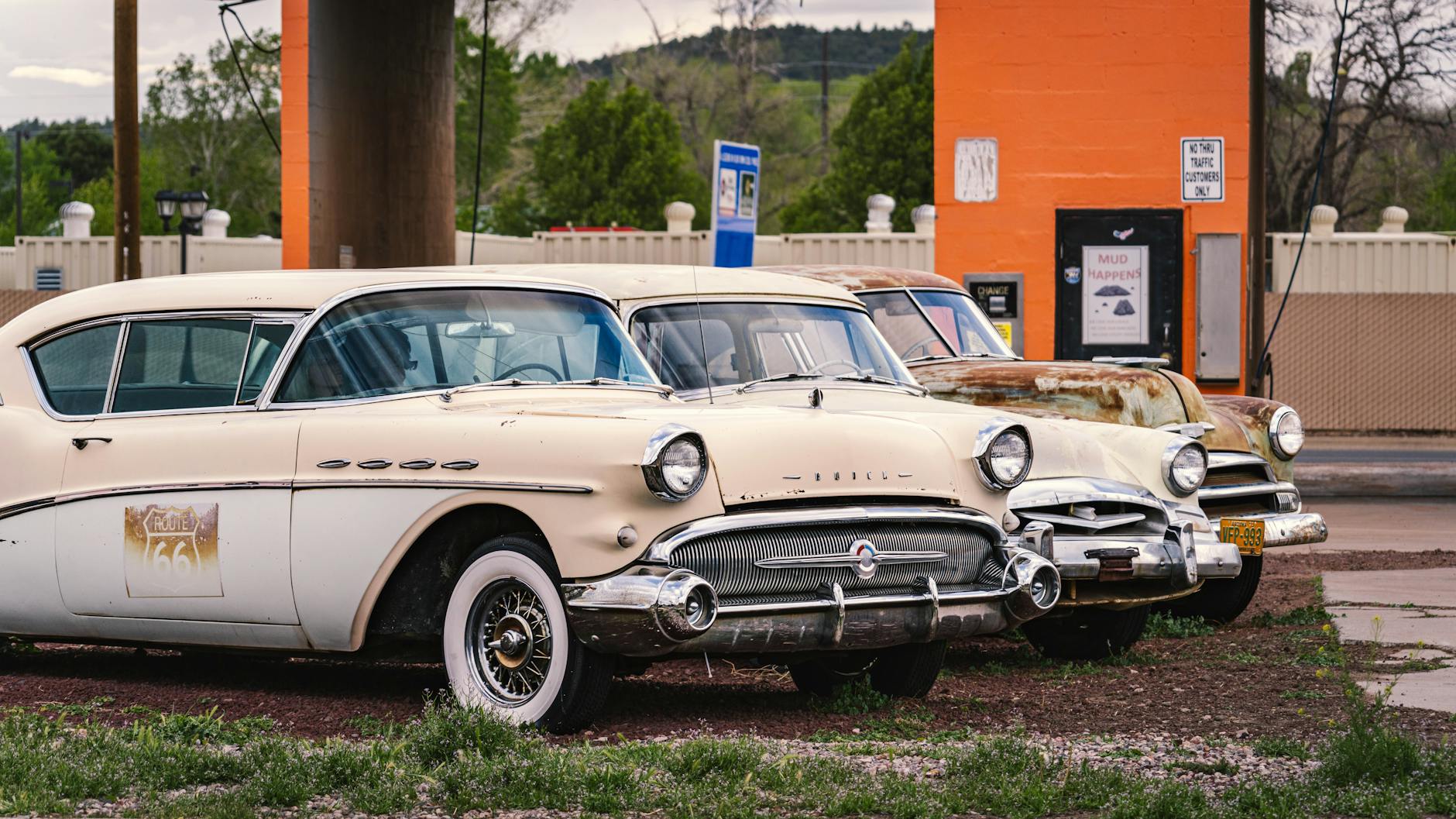
There's something worth pausing on here. The cross-country road trip has become so embedded in American culture — Steinbeck wrote about it, Kerouac romanticized it, countless movies have used Route 66 as a backdrop — that it's easy to forget just how recently it became accessible to ordinary people.
For most of American history, crossing the country was an undertaking reserved for the desperate, the adventurous, or the professionally obligated. The idea of loading up a minivan and driving from Chicago to the Grand Canyon for spring break simply didn't exist as a casual option until the second half of the 20th century.
Today, Americans take about 700 million trips by personal vehicle each year. Road trips are a staple of summer planning, bucket lists, and family traditions. The open road feels like a birthright.
The Part We Don't Think About
Here's the thing about progress: it tends to erase its own history. When you merge onto I-80 heading west and set the cruise control, there's nothing about that experience that reminds you of Horatio Jackson and his horse-assisted Winton, or the families who spent half a year crossing the same ground in covered wagons.
But the distance is identical. The country hasn't gotten smaller. We've just gotten extraordinarily good at crossing it.
What once demanded months of preparation, physical endurance, and no small amount of courage now demands a long weekend, a decent road trip playlist, and maybe a reservation at a Marriott somewhere in Kansas.
Not a bad trade.