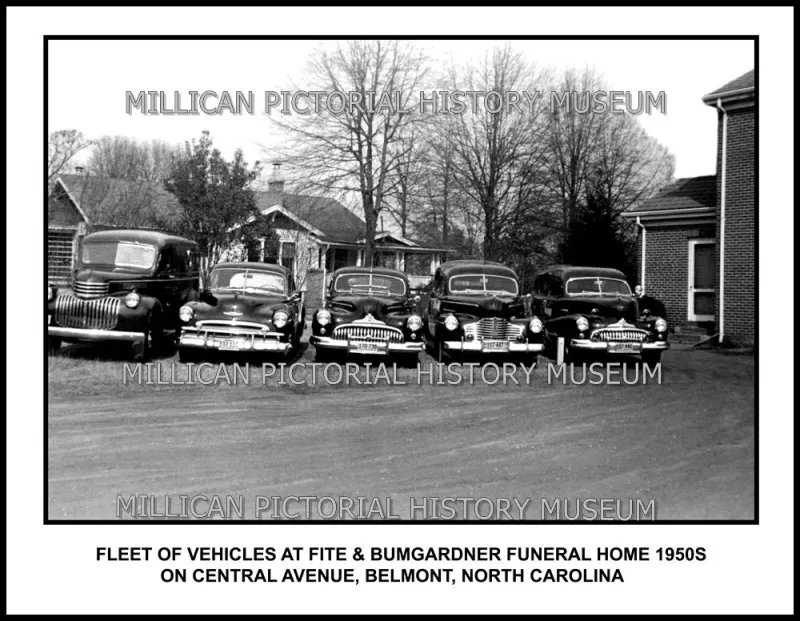
When Car Dealers Expected Cash and Customers Paid It — The Death of the One-Year Purchase

The Summer of '65: When Cars Were Simple Math
Walk into any Chevrolet dealership in 1965, and you'd find a curious sight by today's standards: customers paying cash for brand-new cars. Not because they were wealthy — because cars were affordable.
A factory worker earning the median income of $6,900 could drive off the lot in a fully-loaded Impala Super Sport for $3,500. That represented roughly six months of gross pay, or about 11 months after taxes and living expenses. Most buyers saved up and paid cash, treating a car purchase like any other major household item.
The financing that did exist was simple: 24 months maximum, with substantial down payments required. Banks viewed car loans as short-term necessities, not profit centers.
The Sticker Shock That Snuck Up on America
Fast-forward to 2024, and that same transaction looks completely different. The median household income sits around $70,000, while the average new car price has climbed to $47,000. What once took 11 months of income now requires nearly two full years.
But here's where it gets interesting: almost nobody notices because almost nobody pays cash anymore.
Instead of saving $3,500 over two years like their grandparents did, today's buyers walk into dealerships focused entirely on monthly payments. "Can you get me to $400 a month?" has replaced "How much does it cost?"
This shift didn't happen overnight. It was the result of three major changes that completely rewrote the rules of car buying.
How Features Became Expectations
The 1965 Impala that cost $3,500 came with an AM radio, vinyl seats, and manual everything. Air conditioning cost extra. Power steering was an upgrade. The most advanced technology was an automatic transmission.
Today's "basic" car includes features that didn't exist in any price range 60 years ago: anti-lock brakes, airbags, electronic stability control, backup cameras, Bluetooth connectivity, and computerized engine management. The average new car contains more computing power than the Apollo spacecraft.
This technological evolution drove costs up legitimately. Safety regulations alone added thousands to every vehicle's price tag. But the real change wasn't just what cars included — it was how Americans thought about what they "needed" in a car.
The basic transportation that satisfied previous generations became unacceptable. Features that were once luxuries became standard expectations, pushing even economy cars into price ranges that required financing.
The 72-Month Trap
Perhaps the most dramatic shift was how the auto industry solved the affordability problem: they didn't make cars cheaper, they made payments smaller.
In 1965, car loans were rare and short. By the 1980s, 48-month loans became common. Today, 72-month loans are standard, with 84-month terms increasingly popular. Some dealers now offer 96-month financing — eight years to pay off a depreciating asset.
This extended financing created an illusion of affordability. A $47,000 car sounds expensive, but $650 a month sounds manageable. The total cost — often exceeding $55,000 with interest — gets lost in the monthly payment focus.
The psychological shift was profound. Previous generations asked, "Can I afford this car?" Current buyers ask, "Can I afford these payments?"
When Wages Stopped Keeping Up
The math problem got worse because wages didn't keep pace with car prices. While vehicle costs roughly tripled since 1970 (accounting for inflation), median wages only doubled.
A 1970 assembly line worker earning $7,000 annually could buy a $3,000 Camaro with five months' gross pay. Today's manufacturing worker earning $60,000 needs nine months' gross pay for a $45,000 Camaro — and that's assuming they can find one at MSRP.
This wage stagnation forced Americans to choose: accept longer commutes with older, less reliable cars, or embrace longer loan terms to afford newer vehicles. Most chose the financing.
The New Normal Nobody Planned
The result is a car market that operates on completely different principles than it did 60 years ago. Cash buyers are so rare that dealers often view them with suspicion, wondering about the money's source. Financing has become so central to the business model that manufacturers make more profit from loans than from vehicle sales.
Meanwhile, Americans carry an average of $31,000 in auto debt — more than many previous generations paid for their entire houses. Car payments have become a permanent fixture in household budgets, like mortgages or utilities.
What We Lost Along the Way
The shift from cash purchases to permanent financing changed more than just how we buy cars. It changed how we think about ownership itself.
Previous generations bought cars they could afford and drove them until they died. Today's buyers focus on monthly payments and trade up every few years, often rolling negative equity into new loans.
The pride of ownership that came with saving up and paying cash has been replaced by the anxiety of perpetual payments. What was once a milestone of financial achievement — buying your first new car — became just another monthly obligation.
Sixty years ago, a new car represented freedom from debt. Today, it represents the beginning of a relationship with debt that many Americans never escape.
The road from the cash-and-carry 1960s to today's financing-dependent market reveals more than just changing car prices. It shows how an entire generation's relationship with money, debt, and ownership transformed — one monthly payment at a time.