When Emergency Rooms Were Actually for Emergencies — And You Walked Out With Change in Your Pocket
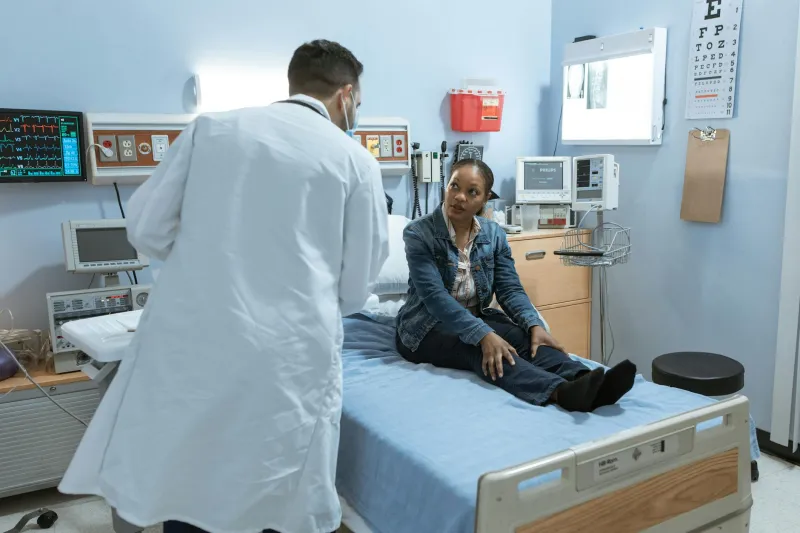
Picture this: It's 1965, and your eight-year-old son tumbles off his bike, landing hard on his wrist. You scoop him up, drive to the local hospital, and walk straight into the emergency room. Within thirty minutes, he's been seen by a doctor, had an X-ray, received a cast, and you're walking out with a bill for $18 — roughly $170 in today's money. You pay it at the front desk with cash from your wallet and drive home in time for dinner.
That scenario sounds like fiction to modern American parents, but it was the reality for millions of families just two generations ago. Today, that same broken wrist would trigger a financial avalanche that could take months to fully understand and years to pay off.
The Emergency Room as Neighborhood Resource
In mid-century America, hospital emergency departments functioned more like urgent care clinics. They were designed for genuine emergencies and staffed by doctors who knew the community. The entire experience was streamlined for efficiency, not profit maximization.
Dr. Robert Johnson worked in a Chicago emergency room from 1962 to 1985. "We had one doctor on duty, maybe two nurses, and we saw everyone who came through the door," he recalls. "The whole idea was to fix the problem and get people back to their lives. Billing was simple — you paid what you owed before you left, period."
 Photo: Dr. Robert Johnson, via www.defenseadvancement.com
The average emergency room visit in 1965 cost between $15 and $25, depending on the complexity. A broken bone might run $20, including the X-ray and cast. A severe cut requiring stitches would cost around $12. These prices weren't subsidized or artificially low — they reflected the actual cost of providing emergency care in a system built for efficiency rather than revenue generation.
When Healthcare Was Local Business
The transformation didn't happen overnight, but by the 1980s, the cracks were showing. Insurance companies began requiring pre-authorization for treatments. Hospitals started charging separate "facility fees" on top of doctor charges. The simple transaction of emergency care became a complex web of billing codes, network providers, and surprise charges.
Today's emergency room visit is a financial minefield. The average cost for treating a broken bone in an American ER now exceeds $2,500, and that's before you factor in separate bills from the radiologist, the emergency physician, the hospital facility, and potentially the anesthesiologist if any procedure is required.
But the real shock comes later. In the old system, you knew exactly what you owed when you left. Today, bills arrive weeks or months after treatment, often from providers you never knew were involved in your care. The radiologist who read your X-ray might be out of network. The emergency doctor might work for a separate company that doesn't accept your insurance. The hospital might charge you for services you never received.
The Rise of Financial Medicine
What changed? Healthcare became big business. Hospitals consolidated into massive health systems. Insurance companies inserted themselves between patients and providers. Private equity firms began buying emergency room staffing companies, optimizing them for billing rather than care.
The emergency room evolved from a place where sick people got help into a profit center where every interaction was monetized. The average ER visit now generates revenue from dozens of different sources: facility fees, doctor fees, lab fees, imaging fees, supply fees, and administrative fees that didn't exist in 1965.
"We used to have three prices: small problem, medium problem, big problem," explains Dr. Johnson. "Now there are thousands of billing codes for every possible combination of symptoms, treatments, and complications. The complexity is intentional — it's designed to maximize revenue, not patient care."
The Hidden Cost of Complexity
The financial complexity of modern emergency care has created a secondary crisis: Americans now avoid emergency rooms even when they need them. A 2023 survey found that 45% of Americans have delayed or avoided emergency care due to cost concerns, compared to virtually zero percent in the 1960s.
This creates a perverse situation where emergency rooms are simultaneously overcrowded with non-urgent cases (because people can't afford regular doctors) and underused by people with genuine emergencies (because they're terrified of the bills).
The emergency room of 1965 served its community efficiently and affordably. Today's emergency department is a complex business operation that happens to provide medical care as a side effect. The transformation reveals how American healthcare shifted from a service industry focused on helping people to a financial industry focused on extracting maximum revenue from human suffering.
Your grandfather's broken arm cost less than a week's groceries and was paid for before he left the parking lot. Your broken arm might cost more than a month's rent and follow you for years through collection agencies and credit reports. That's not progress — it's a system that forgot what it was supposed to do.