The $200 Goodbye: How Death Stopped Being a Community Ritual and Became a $10,000 Industry
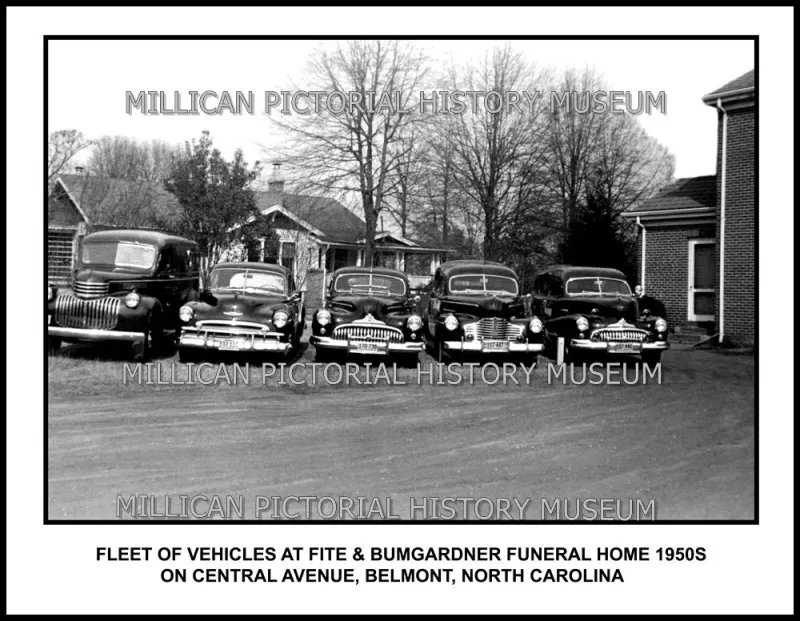
Photo: vintage American funeral home 1950s black and white, via millicanpictorialhistorymuseum.com
Not long ago, death was something a community absorbed together. When a neighbor passed in rural Ohio or small-town Georgia, the body was often prepared at home by family members or a trusted local woman known for such things. The coffin might be built by the same carpenter who made your kitchen table. The burial happened in the church cemetery down the road, and the reception was potluck. Total cost? Maybe $150 to $200, if that.
Today, the National Funeral Directors Association puts the median cost of a funeral with burial at over $10,000. Add a cemetery plot, headstone, flowers, and an obituary notice, and you're looking at closer to $15,000 or more. Death, it turns out, has become one of America's most quietly expensive life events — and most families never see it coming until they're already in the middle of it.
When the Neighbors Did It
For most of American history, death was handled locally and personally. The concept of a professional undertaker existed, but it was a part-time trade — often a furniture maker or cabinetmaker who also built coffins on the side. Embalming was rare before the Civil War, when the military needed a way to return soldiers' bodies home across long distances. That wartime necessity eventually filtered into civilian life, but it was slow to catch on.
In the late 1800s and early 1900s, a typical working-class American funeral was a stripped-down affair. The body might be laid out in the front parlor of the family home — which is actually why that room came to be called "the living room" in the early 20th century, as a deliberate marketing shift by home designers who wanted to move death out of domestic spaces and into professional ones.
The shift was gradual but deliberate. Funeral directors began professionalizing their trade, lobbying for state licensing requirements, and positioning themselves as essential service providers. By mid-century, the modern funeral home had largely replaced the home viewing, and with it came a whole new set of expectations — and expenses.
The Upsell That Came With a Casket
Jessica Mitford's 1963 book The American Way of Death blew the lid off the funeral industry's practices and caused a national conversation about how grief was being monetized. She documented how funeral homes routinely steered grieving families toward the most expensive options, used emotional pressure to discourage budget choices, and bundled services in ways that made individual pricing nearly impossible to assess.
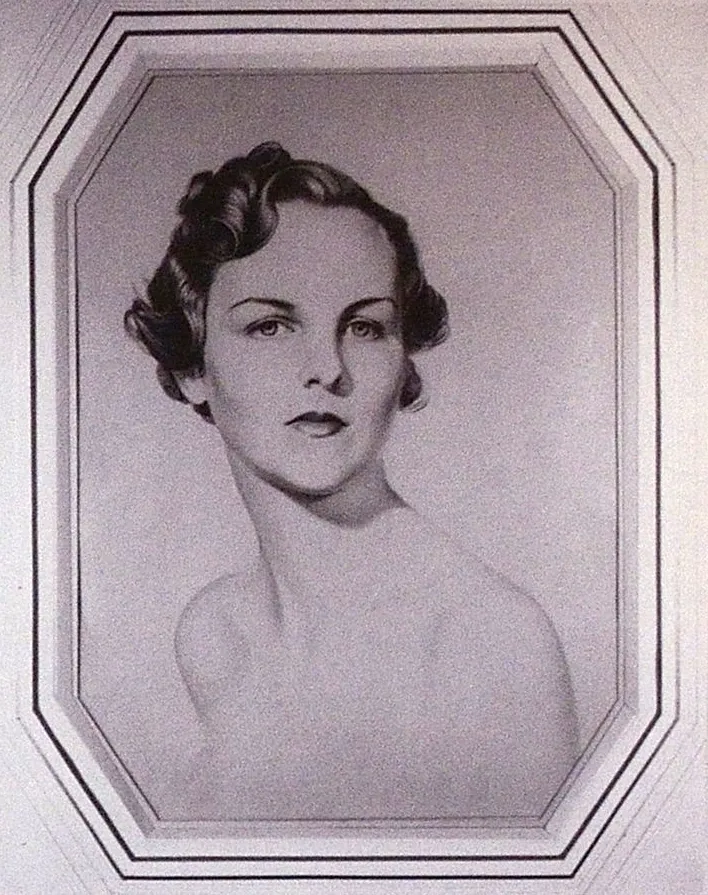 Photo: Jessica Mitford, via upload.wikimedia.org
Some things changed after that scrutiny. The FTC introduced the Funeral Rule in 1984, requiring funeral homes to provide itemized pricing and allow families to choose only the services they wanted. But the underlying economics of the industry didn't fundamentally shift.
Today, a basic funeral package at most American funeral homes includes embalming, a viewing, a ceremony, a hearse, and a basic casket — and that bundle rarely comes in under $7,000. Upgrade the casket from a basic model to something with a warranty and a velvet interior, and you can add another $3,000 to $5,000 without blinking. Grief, it turns out, is not a great mental state for comparison shopping.
What Changed — and Why
Several forces converged to transform the American funeral. Urbanization pulled families away from the tight-knit communities where collective death rituals made sense. Longer distances between relatives made home preparations impractical. Rising hygiene standards, new embalming regulations, and the growing cultural discomfort with death as a visible, physical reality all pushed the process further into professional hands.
Then came consolidation. In the 1990s and 2000s, large corporate funeral chains began acquiring independent funeral homes across the country. Service Corporation International, the largest funeral company in North America, now operates over 1,900 funeral homes and cemeteries in the US. When a local funeral home gets absorbed into a national chain, prices tend to rise — sometimes dramatically — even when the name on the sign stays the same.
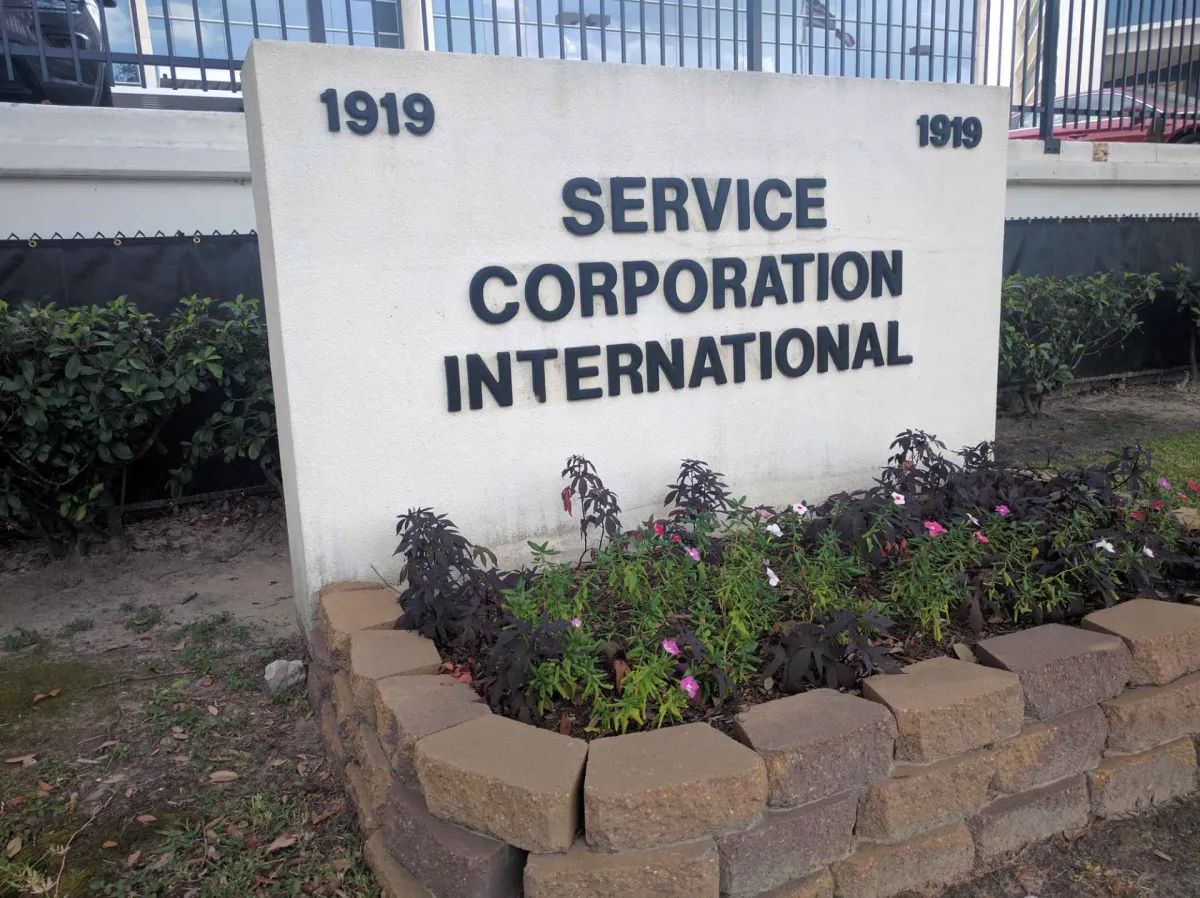 Photo: Service Corporation International, via mergr-image-uploads.s3.amazonaws.com
Families often don't realize they're dealing with a corporate operation until they're already seated across the desk from a grief counselor who is also, technically, a salesperson.
The Gap Between What People Spend and What They Have Saved
Here's where the numbers get uncomfortable. The average American has less than $1,000 saved specifically for end-of-life costs, according to multiple financial surveys. Yet the average funeral runs ten times that. The result is that millions of American families finance funerals on credit cards, drain savings accounts, or take out personal loans during some of the most emotionally raw weeks of their lives.
The funeral industry recognized this gap years ago. Pre-need funeral planning — where you purchase your funeral in advance, often through an insurance-like contract — has become a major revenue stream. The pitch is sensible: lock in today's prices, spare your family the burden. The fine print, however, can be complicated, and not all pre-need contracts transfer if you move or if the funeral home closes.
The Quiet Return to Simplicity
Interestingly, there are signs that some Americans are pushing back. Direct cremation — where the body is cremated without a formal viewing or ceremony — has grown dramatically, now accounting for more than 60% of US dispositions according to the NFDA. It typically costs between $700 and $2,000, a fraction of a traditional funeral.
Green burials, home funerals (legal in most states), and death doulas are all growing movements that echo, in some ways, the community-centered practices of a century ago. The idea that death can be handled simply, personally, and affordably is not a radical new concept. It's actually the oldest one there is.
What's changed is that getting back to that simplicity now requires actively opting out of an industry built around the assumption that more spending equals more respect. And that, perhaps more than the price tag itself, is the most revealing thing about how far American attitudes toward death have traveled.
The $200 goodbye wasn't about doing less. It was about doing it together. That's the part no package can replicate.