The Mechanic Who Showed You Every Part — Before Your Car Became a Black Box Nobody Could Open

Photo by Photo by Jaime Maldonado on Unsplash on Unsplash
Somewhere in the back of a lot of American memories, there's a small garage with two bays, a hand-painted sign, and a guy named something like Dale or Vince who could tell what was wrong with your car just by listening to it idle. He'd wave you over, point at the problem with a greasy finger, and explain it in plain English. You'd leave an hour later with a working vehicle and maybe $40 less in your wallet.
That version of auto repair is almost entirely gone. And the way it disappeared says a lot about how the relationship between Americans and their cars — and their money — fundamentally changed.
The Garage at the End of the Block
Through most of the 20th century, the local mechanic was a fixture of American neighborhood life, not unlike the pharmacist or the hardware store owner. He was a specialist, sure, but an accessible one. You could walk in, describe a sound, and get a straight answer without paying for the privilege of asking the question.
More importantly, the cars of that era were built to be understood. A 1965 Ford Fairlane or a 1972 Chevy pickup had an engine you could lean over and actually see. Carburetors, distributor caps, spark plugs, brake pads — these were mechanical components a trained eye could inspect, diagnose, and replace with hand tools and a parts catalog. There was no software involved. There was no proprietary system locking out anyone who didn't have the right credentials.
 Photo: Chevy pickup, via www.chevrolet.com
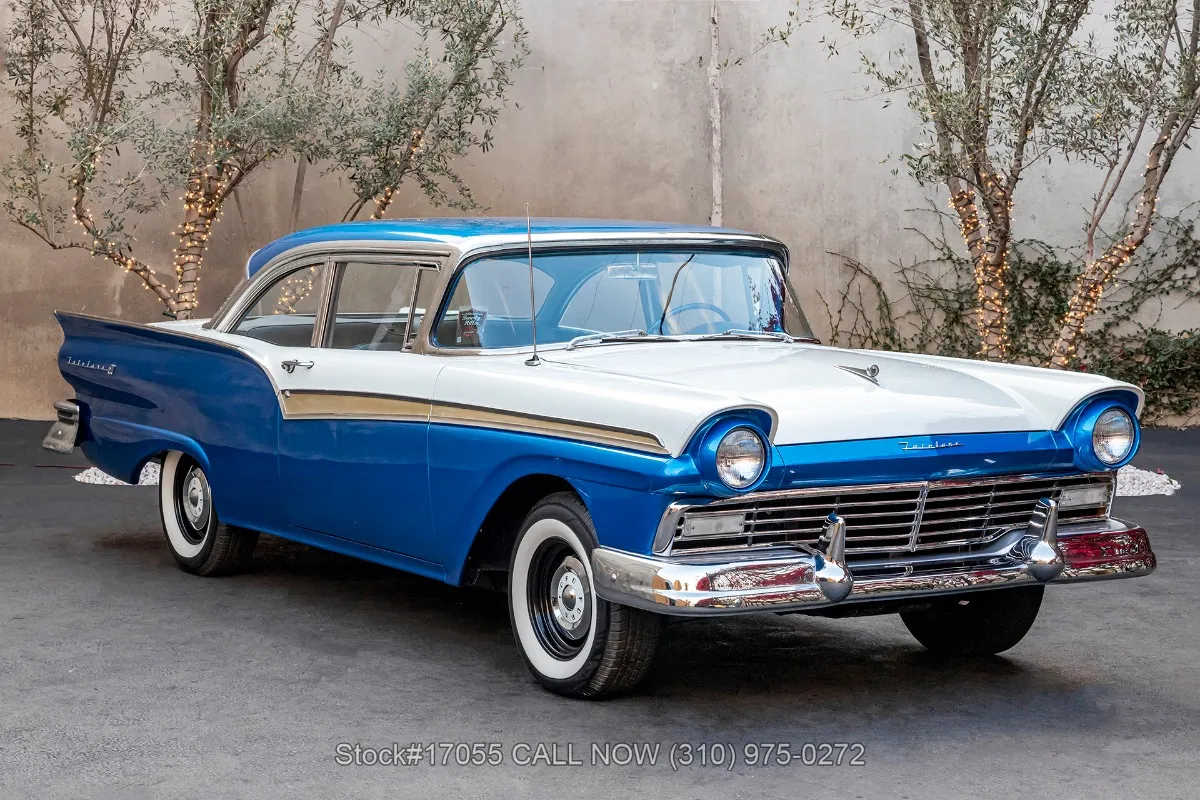 Photo: Ford Fairlane, via www.beverlyhillscarclub.com
Labor rates at independent shops in the 1970s ran somewhere between $8 and $15 an hour. A full brake job might cost $30. A tune-up — spark plugs, air filter, points, and timing adjustment — could run under $50 including parts. And because the mechanic's reputation lived or died on the same three streets where he worked, there was a powerful incentive to be honest.
When Cars Got Smart and Owners Got Locked Out
The shift started gradually in the 1980s and accelerated through the 1990s. Automakers began integrating electronic control units — essentially onboard computers — that managed everything from fuel injection to emissions to transmission behavior. The engineering achievement was real. Cars got more efficient, cleaner, and in many ways more reliable over the long haul.
But the side effect was significant. Suddenly, diagnosing a problem required a scan tool that could read error codes from the vehicle's computer. Independent mechanics had to invest in new equipment constantly just to stay relevant. Smaller shops that couldn't keep up quietly closed. Dealerships, which had direct access to manufacturer diagnostic software, gained an enormous advantage they've never let go of.
By the 2000s, the average consumer had almost no way to understand what was happening under the hood. The check-engine light became a source of genuine anxiety — a cryptic warning that could mean anything from a loose gas cap to a failing catalytic converter. And the only way to know which was to pay someone with the right equipment to tell you.
What a Repair Costs Now
The numbers today are genuinely startling if you compare them to what previous generations paid.
A basic diagnostic scan at a dealership service center typically runs $150 to $200 — and that's before any actual work begins. Labor rates at dealerships in major metro areas now commonly exceed $175 per hour, with some luxury brand dealerships charging north of $250. A brake job that cost $30 in 1975 now averages $350 to $500 per axle. Transmission work that once ran a few hundred dollars can easily crest $4,000 to $6,000 today.
And there's a newer wrinkle that older mechanics never had to deal with: parts that can only be programmed by the dealer. Replacing a key fob, a battery management sensor, or certain safety system components often requires a software calibration that independent shops literally cannot perform without manufacturer authorization. The car itself enforces a kind of loyalty to the brand's service network.
For many American households, a single unexpected repair bill has become a financial emergency. According to surveys by AAA, roughly one in three Americans can't afford an unexpected car repair without going into debt.
What Actually Got Lost
Beyond the money, something more intangible disappeared from the transaction. The old neighborhood mechanic was an educator as much as a repairman. He showed you the worn rotor, the cracked belt, the corroded terminal. You left understanding your car a little better than when you arrived. That knowledge was empowering — and it was free.
Modern service centers, by contrast, operate more like medical offices than trade shops. You drop off the vehicle, wait in a lobby with complimentary coffee and a flat-screen TV, and eventually receive a printed estimate with line items you can't fully evaluate. The car disappears behind a door you're not invited through. When it comes back, you pay the bill and trust that whatever was done was necessary.
Some independent shops have survived and adapted — there are still skilled mechanics who invest in modern diagnostic tools and run honest operations. But they're competing against dealer service networks with massive infrastructure, manufacturer support, and the psychological pull of the brand. The independent guy at the end of the block is a rarer breed with every passing year.
The Bigger Picture
Auto repair is a useful lens for understanding a broader shift in American economic life. As products became more complex, the expertise required to service them migrated away from independent tradespeople and toward manufacturer-controlled networks. The consumer, once an informed participant in the transaction, became increasingly dependent on systems they couldn't see or question.
Your grandfather probably knew his mechanic's first name, his kids' ages, and whether he was honest. He also had a reasonable chance of understanding what the man was doing to his car.
Today, the average American spends more on vehicle maintenance and repair than on clothing — and understands it far less. That's not progress, exactly. It's a trade. We got more sophisticated machines. We gave up the ability to know what's happening inside them.