The Neighborhood Druggist Who Mixed Your Medicine While You Waited — Before Insurance Made Simple Pills Complicated
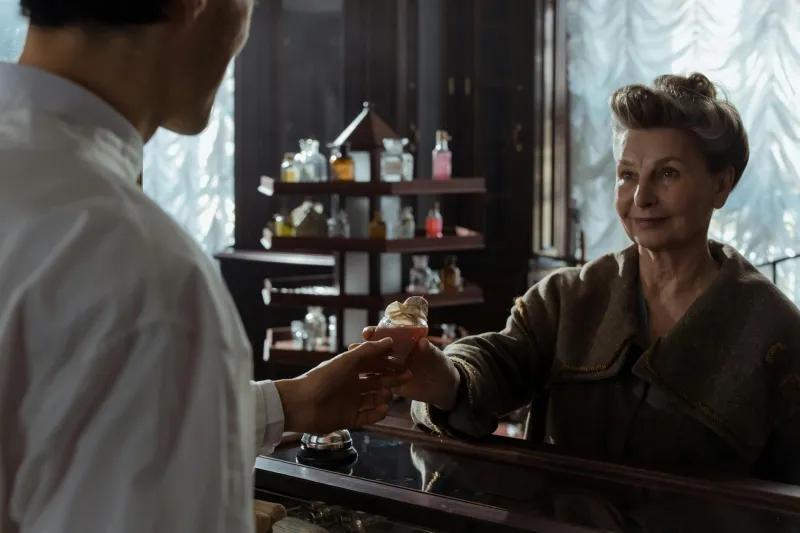
Every neighborhood had one: the corner drugstore where Mr. Peterson or Mrs. Chen stood behind a tall wooden counter, wearing a white coat and knowing every customer by name. You'd walk in with a cough, describe how you'd been feeling, and watch as they measured, mixed, and bottled your medicine right there in front of you. The whole transaction took ten minutes and cost maybe two dollars.
That America existed for over a century, from the 1800s through the 1970s. The neighborhood pharmacist wasn't just someone who counted pills — they were healthcare providers, confidants, and often the first line of medical care for working families who couldn't afford frequent doctor visits.
When Pharmacists Were Chemists
In 1960s America, most prescriptions were still compounded — meaning pharmacists actually made the medicine from raw ingredients. Walk into Rexall or the local independent pharmacy with a prescription for cough syrup, and you'd watch the pharmacist measure syrups, powders, and liquids, mixing them according to the doctor's specifications.
"My father ran a pharmacy in Detroit from 1955 to 1985," recalls Susan Martinez, whose family owned Martinez Drugs. "He knew every customer's medical history, their family situation, their financial constraints. When someone couldn't afford their full prescription, he'd work with them on payment plans or suggest generic alternatives he could make for less money."
The relationship was intensely personal. Pharmacists knew which customers had diabetes, who was struggling with depression, and whose children had chronic conditions. They'd spot dangerous drug interactions, suggest over-the-counter alternatives, and often provide basic medical advice that kept people out of doctor's offices.
Prices were straightforward and affordable. A bottle of prescription cough medicine cost around $1.50. Antibiotics ran about $3 for a full course. Pain medication was under $2. These weren't subsidized prices — they reflected the actual cost of ingredients plus a reasonable markup for the pharmacist's expertise and time.
The Rise of the Middleman Empire
Somewhere between then and now, everything changed. The transformation began in the 1980s with the rise of pharmacy benefit managers (PBMs) — companies that inserted themselves between patients, pharmacists, and insurance companies, claiming they would make prescription drugs more affordable through bulk purchasing and efficient administration.
The opposite happened.
Today, three companies — CVS Caremark, Express Scripts, and OptumRx — control nearly 80% of the prescription drug market. They decide which medications your insurance will cover, which pharmacies you can use, and how much you'll pay. The neighborhood pharmacist who once mixed your medicine has been replaced by a complex bureaucracy that profits from making simple transactions complicated.
When Pills Cost More Than Paychecks
The financial impact is staggering. Medications that once cost a few dollars now routinely exceed $100, even with insurance. A month's supply of insulin, which cost about $8 in 1980, now averages $300. Common antibiotics that pharmacists once mixed for under $5 now cost $50 or more for the same treatment.
But the real shock comes from the bureaucratic maze that surrounds every prescription. Prior authorization requirements mean patients often wait days or weeks for approval of medications their doctors prescribed. Step therapy protocols force patients to try cheaper alternatives first, even when doctors know they won't work. Pharmacy networks restrict where patients can fill prescriptions, often forcing them to use mail-order services instead of local pharmacies.
"I spend more time arguing with insurance companies than I do helping patients," says Dr. Jennifer Walsh, a pharmacist in Portland. "We'll have someone come in with a prescription their doctor wrote, and I have to tell them their insurance won't cover it unless they first try three other medications and fail. It's insane."
The Death of the Corner Drugstore
The human cost extends beyond money. Independent pharmacies are disappearing at an alarming rate — from over 32,000 in 1990 to fewer than 19,000 today. Chain pharmacies and mail-order services have replaced the personal relationships that once defined pharmaceutical care.
Modern pharmacies are optimized for volume, not relationships. Pharmacists fill hundreds of prescriptions per day, working behind plexiglass barriers with computer systems that prioritize efficiency over human interaction. The idea of a pharmacist knowing your family's medical history or offering personalized advice has become a relic of the past.
The irony is profound: we have access to more sophisticated medications than ever before, but getting them has become more complicated, expensive, and impersonal than at any point in American history.
What We Lost in Translation
The neighborhood pharmacy represented something deeper than just a place to buy medicine. It was a community institution where healthcare was personal, affordable, and accessible. The pharmacist served as a bridge between formal medical care and everyday health needs, providing expertise and reassurance that kept families healthy without breaking their budgets.
Today's system has optimized for corporate profits rather than patient care. The result is a pharmaceutical industry that generates enormous wealth for a few companies while making basic medications unaffordable for millions of Americans.
Your grandmother's prescription cost two dollars and came with personal advice from someone who knew her family. Your prescription costs two hundred dollars and comes with a list of side effects read by a computer. We gained technological sophistication but lost the human element that made healthcare work for ordinary people.
The corner drugstore didn't just fill prescriptions — it filled a role in American communities that no algorithm or corporate efficiency program can replicate. In optimizing the business of pharmaceuticals, we accidentally destroyed the practice of pharmacy.