The Road Trip That Once Took Three Weeks Now Takes Three Days — Here's the Difference
The Road Trip That Once Took Three Weeks Now Takes Three Days — Here's the Difference
Imagine packing your car for a cross-country drive knowing that somewhere in the middle of the country, the road might simply stop. No detour, no alternate route — just gravel, mud, and the vague hope that the next town had a mechanic. That was the reality for American drivers heading coast to coast in the early 1950s. The same trip you can now knock out in about 40 hours of driving? It used to be a two- to three-week commitment, and even then, it wasn't guaranteed to go smoothly.
So what actually changed? Quite a lot, it turns out.
Before the Interstate: A Patchwork of Chaos
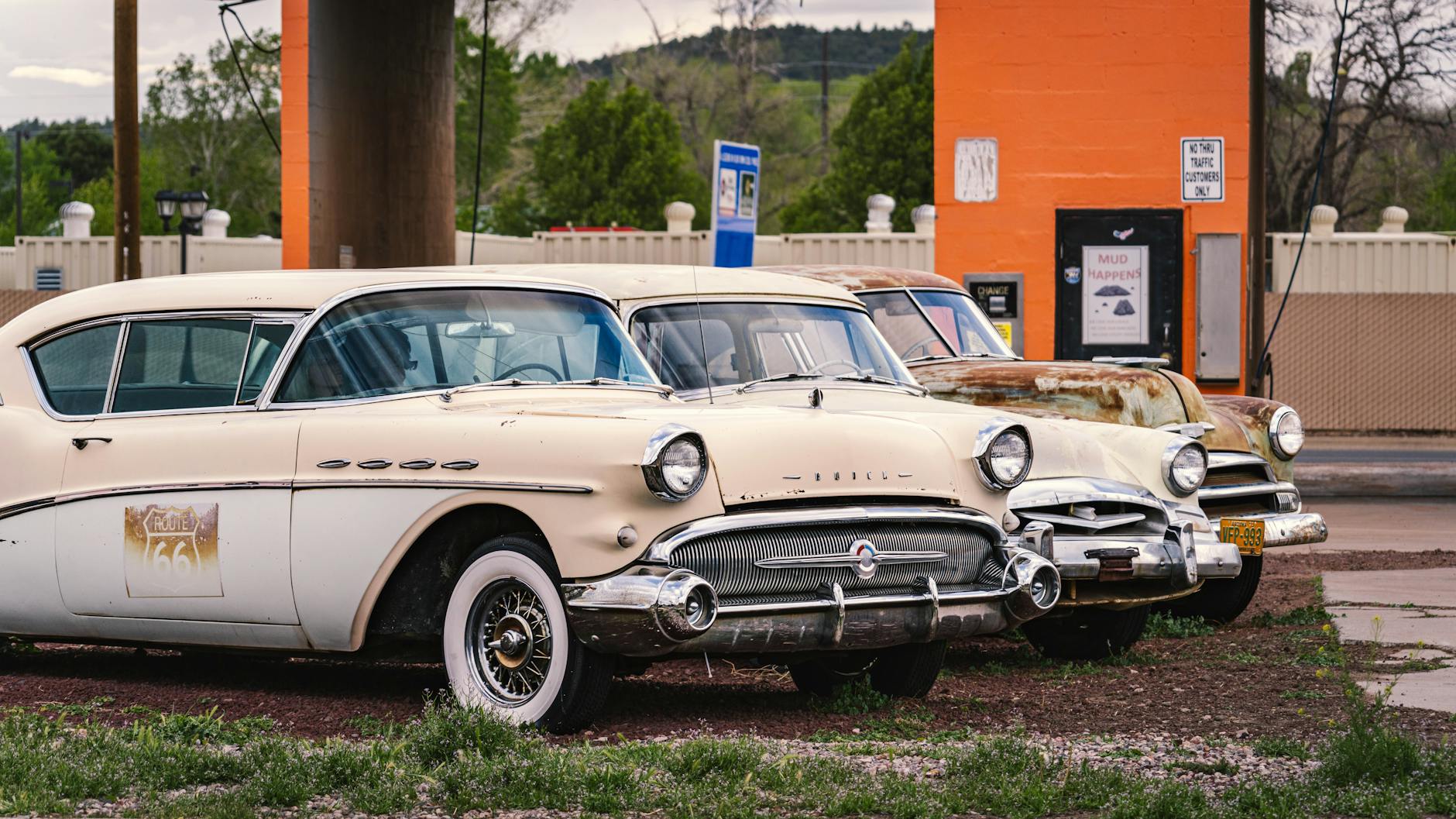
In the years following World War II, the American road network was, to put it generously, a work in progress. The primary route connecting the coasts was U.S. Route 66 — romanticized in songs and novels, but in practice a frustrating mix of two-lane blacktop, dirt stretches, and small-town bottlenecks. Drivers navigating from New York to Los Angeles in 1950 could expect to cover somewhere between 2,800 and 3,000 miles depending on their route, averaging maybe 200 to 250 miles on a good day.
That's not because people drove slowly for fun. Cars of the era — your Fords, Chevys, and Studebakers — were mechanically unreliable by modern standards. Tire blowouts were common. Engines overheated. Breakdowns in rural stretches of Texas or New Mexico weren't just inconvenient; they could mean waiting hours, sometimes longer, for help. Gas stations existed, but not with the density we're used to today, and many rural pumps closed after dark.
A family making the trip in 1952 might budget two to three weeks, factoring in rest days, mechanical delays, and the sheer physical toll of driving roads that weren't designed for sustained highway speeds.
The Turning Point: Eisenhower and 41,000 Miles of New Road
Everything shifted with the Federal Aid Highway Act of 1956. President Dwight D. Eisenhower, inspired partly by the German Autobahn he'd seen during the war, signed legislation that would fund the most ambitious infrastructure project in American history — the Interstate Highway System.
Over the following decades, more than 41,000 miles of high-speed, limited-access highway were built across the country. By the mid-1970s, the backbone of the system was largely in place. Suddenly, a driver could get from New York to Los Angeles on interstates almost the entire way — no traffic lights, no railroad crossings, no winding through downtown Amarillo at 25 mph.
The numbers tell the story clearly. A trip that averaged 250 miles per day in 1950 could now cover 500 to 600 miles comfortably. Total driving time for the coast-to-coast journey dropped from roughly 80 to 100 hours of actual road time to somewhere around 40 to 42 hours today. That's Google Maps' current estimate for the 2,790-mile drive from Manhattan to downtown LA — about 40 hours and 30 minutes, assuming you don't stop to sleep.
The Cars Got Better Too
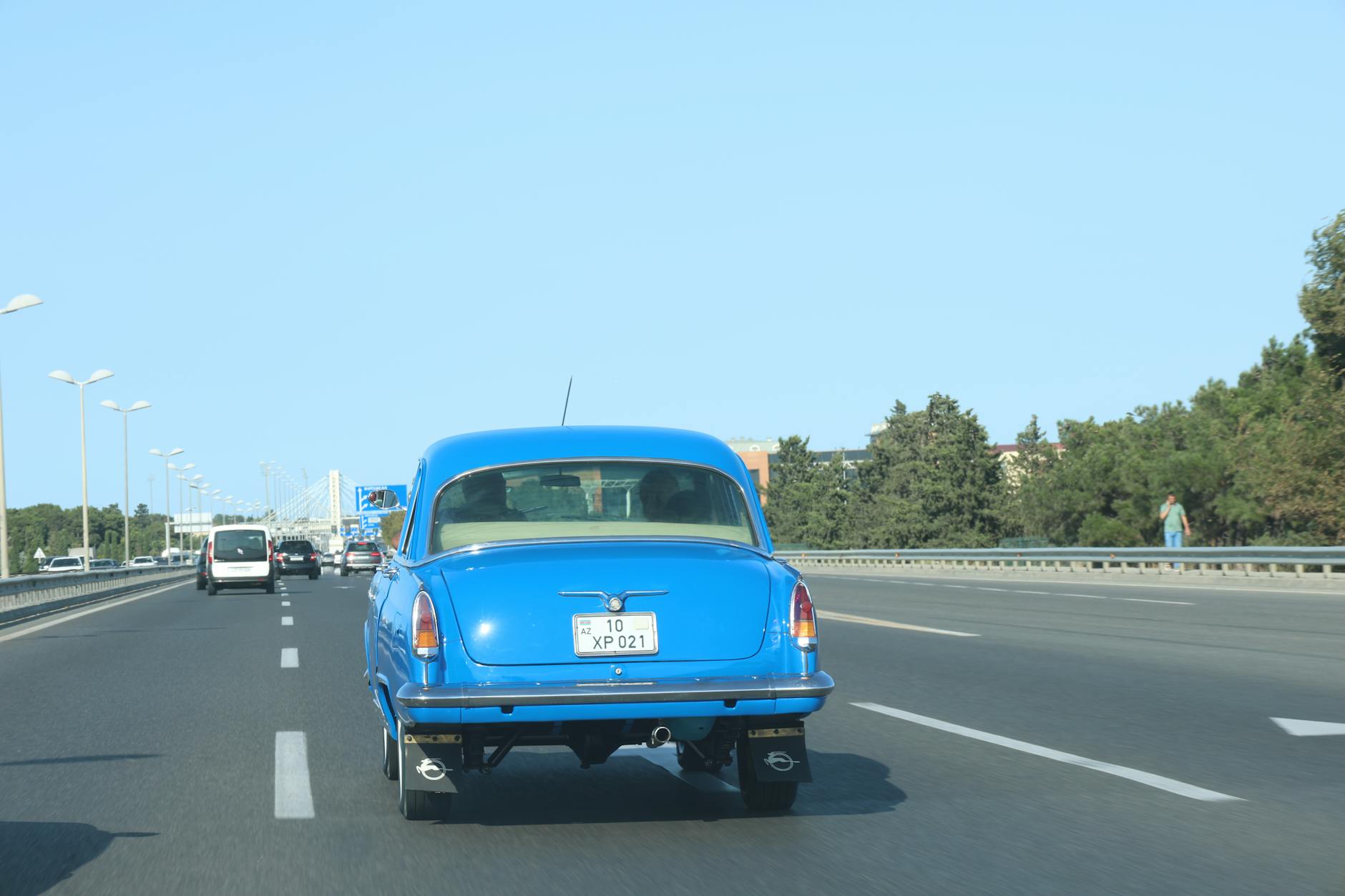
It wasn't just the roads. The vehicles changed dramatically. A 1955 Chevy Bel Air might have looked beautiful, but it needed oil changes every 1,000 miles, had no air conditioning as standard, and its tires were good for maybe 15,000 miles before they became a hazard. Today's average car is engineered to run 200,000 miles or more with routine maintenance. Tire technology, fuel injection, GPS navigation, cruise control, air conditioning — each of these removed a layer of friction from the journey.
The AAA estimates that modern vehicles break down far less frequently than those from the mid-20th century. In the 1950s, a cross-country driver might reasonably expect at least one mechanical issue. Today, an unplanned breakdown on a road trip is genuinely unusual — and even when it happens, roadside assistance is a phone call away.
The Same Miles, A Completely Different Experience
Today, a cross-country road trip is a vacation option. Families do it over spring break. Solo travelers knock it out in three days of hard driving. The logistics that once demanded weeks of careful planning now fit in a weekend.
But here's the question worth sitting with: did something get lost when it got this easy?
There's a reason Jack Kerouac's On the Road still resonates. The old road trip had a quality that modern highway driving largely doesn't — unpredictability, genuine discovery, the forced intimacy of small towns you had no choice but to stop in. When Route 66 was the only way through, you ate in diners that existed because of the road. You talked to people whose entire economy depended on passing travelers. The interstate, for all its brilliance, routed most of that away.
Today's version is faster, safer, cheaper per mile, and dramatically more reliable. You'll get there. You'll probably get there on schedule. But the road between New York and Los Angeles has also become, in some ways, a series of interchangeable exits — the same gas stations, the same fast food chains, the same 75 mph sameness for a thousand miles at a stretch.
Maybe that's the trade-off progress always makes. You gain time. You lose a little of the story.