The One Weekend That Made the Whole Year Worth It: How the County Fair Taught America What Anticipation Feels Like

Photo by Photo by Katerina Shkribey on Unsplash on Unsplash
Sometime in late August, a kid growing up in rural Ohio or central Iowa or the San Joaquin Valley would notice something. The fairgrounds, quiet and weedy all year long, were starting to come alive. Trucks pulling trailers. Tents going up. The faint smell of diesel and popcorn drifting over the fence. And just like that, the whole year snapped into focus.
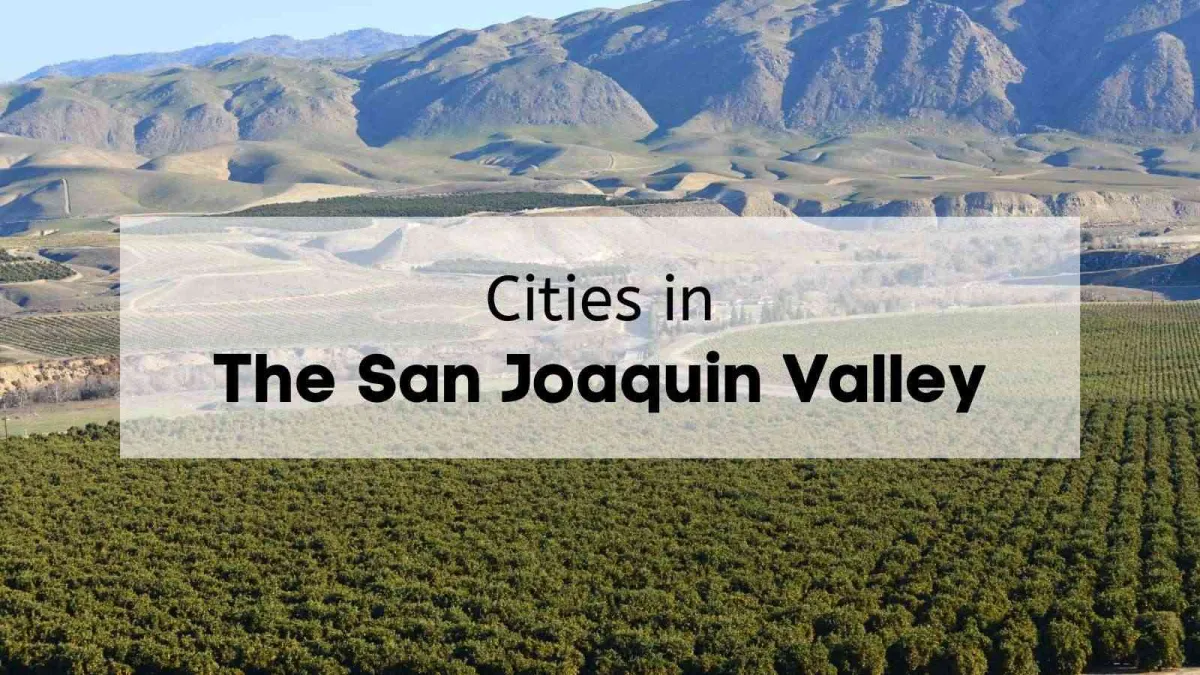 Photo: San Joaquin Valley, via gracemoving.com
The fair was coming.
For generations of Americans — not just rural ones — the county fair was the anchor event of the calendar year. Not one of several options. Not a thing to consider if nothing better came up. The thing. The weekend that neighborhoods, schools, and families organized themselves around. The event that people talked about before it happened and kept talking about long after it was over.
It was special because it only happened once.
What the Fair Actually Was
It's easy to romanticize the county fair into something it wasn't. It wasn't sophisticated. It wasn't comfortable. The rides were rickety, the food was aggressively fried, and if you were a livestock exhibitor, you'd been up since 4 a.m. for three days straight.
But that was partly the point.
The county fair was one of the few events in American life that genuinely belonged to everyone in a region — farmers and townspeople, kids and grandparents, the family that showed prize heifers and the family that just came for the funnel cake. It drew its meaning from that shared participation. The 4-H kid who'd raised a pig all summer and was now standing nervously beside it while a judge made notes. The woman who'd entered her apple butter in the preserve competition for the fifteenth consecutive year. The teenagers who'd been waiting all summer for the Ferris wheel to give them a reason to stand close together in the dark.
Everybody had a stake in it. Everybody showed up.
And because it happened once a year — exactly once — it carried a weight that no single weekend can carry when it's one of fifty options.
The Calendar That Ate Itself
Now consider a typical American weekend in, say, late July.
Within a thirty-mile radius of most mid-sized American cities, you can probably choose from: a food truck festival, an outdoor concert series, a craft beer event, a farm-to-table dinner experience, a music festival with a corporate sponsor, a 5K with a theme, a pop-up art market, a drive-in movie revival, and yes — probably a county fair, though it's now competing with all of the above for the same Saturday afternoon.
This is, by almost any measure, an extraordinary abundance. People who grew up with almost nothing to do on a summer weekend would be staggered by the options available today.
And yet something strange has happened. With everything available all the time, nothing quite feels like an event anymore.
The Economics of Scarcity and Meaning
Psychologists have studied this dynamic for decades, and the findings are pretty consistent: anticipation is a significant part of what makes experiences enjoyable. The looking-forward-to is often as valuable as the thing itself. And anticipation requires scarcity. You can't look forward to something that's always available.
The county fair worked, in part, because you had to wait for it. A whole year. You remembered last year's fair, you planned for this year's fair, and the gap between them was long enough that the fair felt genuinely rare. When it finally arrived, the sensory overload — the lights, the noise, the smells, the crowds — hit differently than it would have if you'd experienced something similar three weekends ago.
Today's entertainment calendar has effectively eliminated that gap. There's always another event. Always another experience. The Instagram algorithm surfaces something new every week. Eventbrite sends you recommendations every Thursday. The gap between stimulating experiences has shrunk to almost nothing — and with it, so has the anticipatory pleasure that made each one feel meaningful.
When Everything Is an Experience, Nothing Is
There's also the matter of what the modern 'experience economy' has done to the texture of these events.
The county fair didn't have a brand strategy. Nobody had curated the aesthetic for social media. The pie contest wasn't sponsored by a regional grocery chain. The livestock barn smelled exactly like a livestock barn, not like a scented candle inspired by one.
The experience was unmediated. It was what it was, and you either liked it or you didn't, but you were genuinely inside it rather than consuming a version of it that had been packaged for your enjoyment.
Modern events — particularly the festival-style experiences that have proliferated over the past fifteen years — are often designed from the outside in. The photo opportunities are deliberate. The branded activations are placed for maximum foot traffic. The 'authentic' food vendors were vetted by an events coordinator. None of this is cynical, exactly, but it creates a subtle distance between the attendee and the experience. You're a consumer of a product rather than a participant in a community.
The county fair didn't make that distinction. You weren't a customer. You were a neighbor.
What the Calendar Can't Replace
None of this is an argument for going back to a world with fewer things to do. More options are generally better than fewer. And plenty of modern community events — farmers markets, local festivals, neighborhood street fairs — do a genuine job of building connection.
But it's worth sitting with the question of what's been lost when the rare becomes routine.
The county fair mattered partly because the community had invested in it all year — raising animals, baking pies, building exhibits, planning outfits. The event was the culmination of something, not just a thing to attend. And because it happened once, missing it meant waiting another full year. That consequence gave it gravity.
When everything is available every weekend, there's no gravity. You can always catch the next one. And somehow, that freedom to always catch the next one means you never quite feel like you caught this one.
Then and Now
The county fair still exists, of course. There are more than 3,000 of them held across the United States every year. Many are thriving. Kids still show livestock. People still eat questionable things on sticks. The Ferris wheel still turns.
But it turns alongside a hundred other things competing for the same Saturday, the same social media post, the same disposable income. It has to earn its place in the calendar now, which is something it never used to have to do.
For most of American history, it didn't have to compete. It was simply the thing that happened once a year, and that was enough to make it the thing everyone remembered.
Scarcity, it turns out, was part of the magic all along.