Before You Could Google It, You Had to Go Find It: The Lost Art of Looking Things Up
Somewhere in your parents' or grandparents' house, there's probably a shelf — or at least a memory of one — lined with a matching set of thick, spine-cracked books. Encyclopedias. Maybe Britannica. Maybe World Book. Either way, those volumes were treated like treasure. And in a very real sense, they were.
Because before Google, before Wikipedia, before the answer to nearly every human question became available in the time it takes to unlock your phone, information was something you had to go get.
The Library Was the Internet
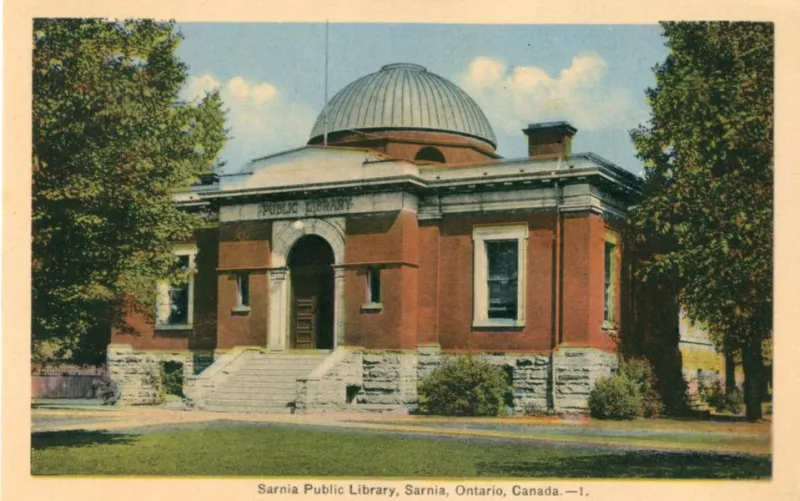
If you grew up in America before the mid-1990s, the public library wasn't just a nice community resource — it was the only reliable place to find out almost anything beyond what your parents or teachers happened to know. You needed to know the population of Brazil? The library. The year Abraham Lincoln was born? The library. How to fix a carburetor, what caused the Civil War, or why the sky is blue? The library.
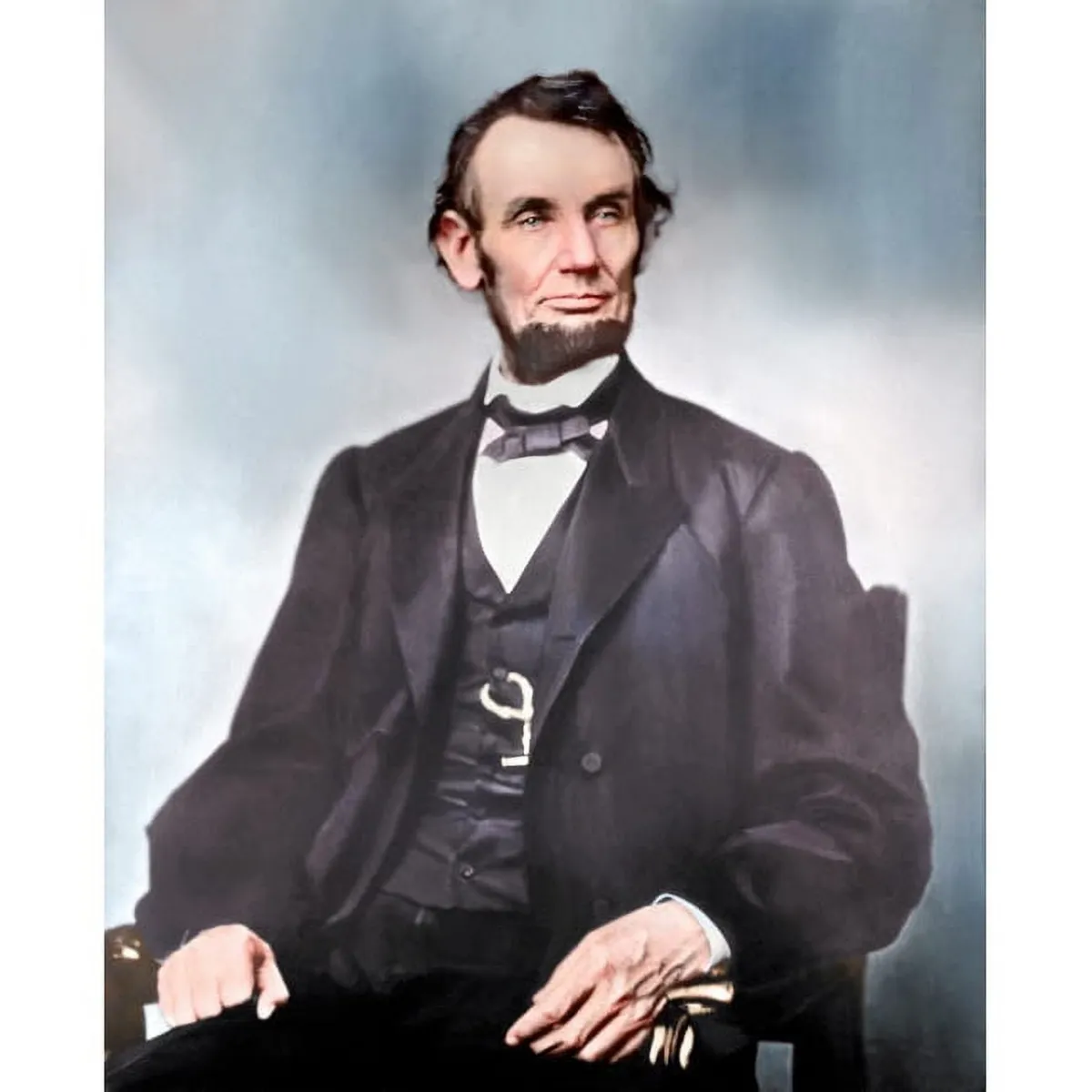 Photo: Abraham Lincoln, via i5.walmartimages.com
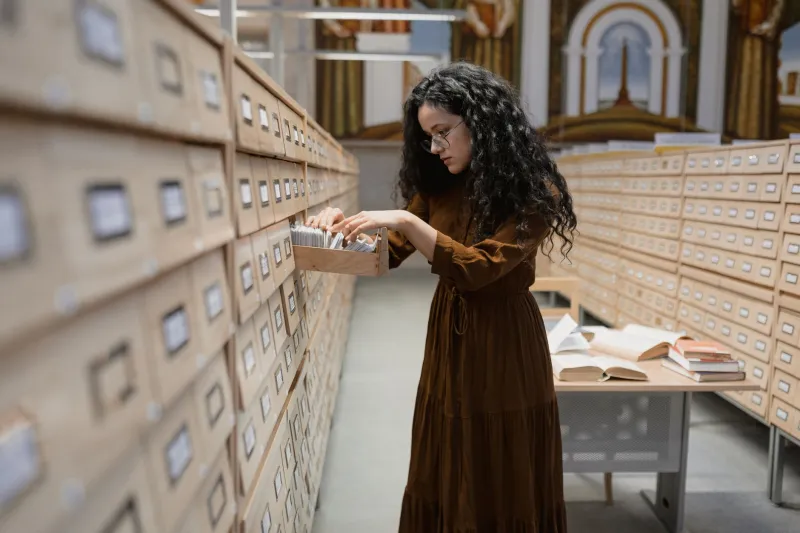
You'd walk in, often with a handwritten list of questions, and head straight for the reference section. The card catalog — a towering wooden cabinet filled with small, alphabetically organized drawers — was your search engine. Each card listed a book's title, author, and Dewey Decimal location. You'd flip through dozens of cards, jot down a call number on a scrap of paper, and go hunt the stacks.
Sometimes you found exactly what you needed. Sometimes you found something close. Sometimes you left with five books, hoping one of them had the answer buried somewhere in chapter nine.
The Reference Librarian: America's Original Search Algorithm
Then there were the reference librarians — and they deserve far more credit than they ever received.
These were people who had memorized the architecture of knowledge. They knew which periodical index covered which years, which government publication had the most accurate census data, and which microfilm reel held the newspaper article you were trying to track down from 1962. They were patient, thorough, and genuinely invested in helping you find what you were looking for.
In many ways, they were doing manually what Google now does algorithmically — parsing your vague, half-formed question and pointing you toward something useful. The difference was that they asked follow-up questions, offered context, and occasionally said, "That's a great question — let me look into it and have something ready for you tomorrow."
Tomorrow. That was often the timeline. Research took time. Real time.
The Encyclopedia on the Living Room Shelf
For families who could afford it — and many stretched their budgets to do so — a home encyclopedia set was a point of pride. Salesmen would come door to door pitching the World Book or Britannica as an investment in your children's education, and they weren't entirely wrong.
These sets were updated annually, but even then, they were always a little behind. The 1974 edition didn't know about 1975. The science was sometimes outdated. The maps occasionally reflected borders that had already changed. But none of that diminished how often families turned to those volumes for quick answers at the dinner table, for school reports, or just out of plain curiosity.
Kids who grew up with a set at home had a genuine advantage — not just in school, but in developing the habit of looking things up rather than simply not knowing.
What the Search Actually Cost You
Here's the part that's easy to forget: finding information used to cost something. Not always money — though late fees and bus fare added up — but time, effort, and patience.
A school research paper in 1975 might require two or three trips to the library over a week. You'd take notes by hand, often copying passages word for word because you couldn't check out the reference books. You'd request interlibrary loans for materials your branch didn't carry and wait two or three weeks for them to arrive. You might call a university library and ask if someone there could point you toward a source.
All of that friction had a side effect nobody talks about much anymore: you remembered what you found. The effort created a kind of cognitive stickiness. When you worked to uncover a fact, it lodged in your memory in a way that a quick Google search rarely does today.
Three Seconds vs. Three Days
Now consider the contrast. Right now, you can ask your phone a question in plain English — spoken aloud, even — and receive a sourced, organized answer within seconds. You can cross-reference it instantly with ten other sources. You can follow a thread of curiosity from the French Revolution to the economics of 18th-century bread prices to modern inflation theory, all in the time it used to take to find a parking spot near the library.
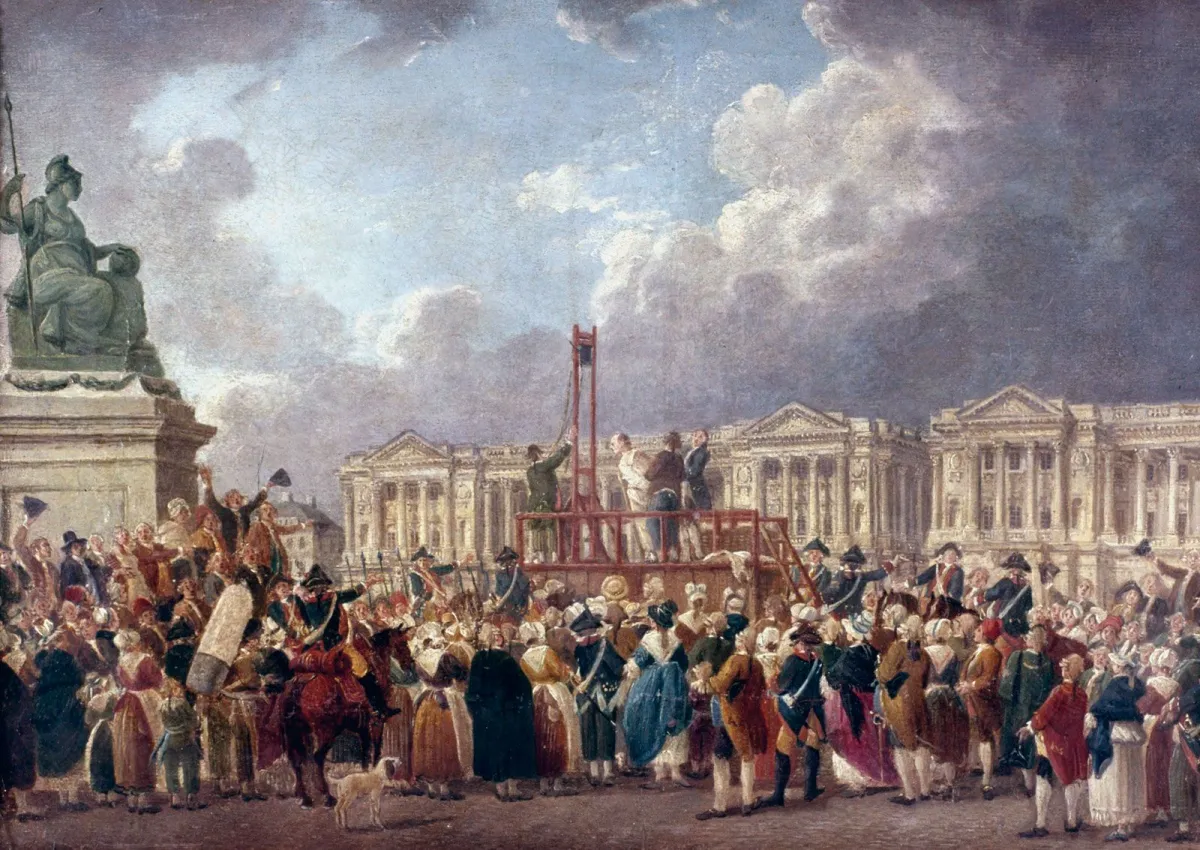 Photo: French Revolution, via cdn.britannica.com
The access is extraordinary. Genuinely, historically extraordinary. Any American with a smartphone carries more reference material in their pocket than the largest library in the country held in 1960.
But something shifted alongside that convenience. Research became frictionless, and frictionless things are easy to abandon. We skim instead of read. We accept the first result instead of digging deeper. We forget what we learned almost immediately because we know we can find it again in three seconds.
The librarian who said "let me look into it and have something ready for you tomorrow" was also modeling something important: that some questions deserve more than a quick answer.
What the Card Catalog Taught Us
There's a reason so many people over 40 describe childhood trips to the library with a kind of warmth that has nothing to do with nostalgia for inconvenience. The library was a place of intentional discovery. You went in looking for one thing and stumbled across three others. You browsed. You wandered. You followed your curiosity down physical aisles rather than algorithmic rabbit holes designed to keep you engaged.
The information age gave us everything we ever wanted to know. What it didn't give us was a replacement for the patience, depth, and accidental wonder that came from having to work for it.
Your library card was slow. It was limited. It was sometimes frustrating. And it made you a more deliberate thinker for it.