Two Nickels at the Pump, Two Nickels for Breakfast: When America's Essential Liquids Cost the Same
Two Nickels at the Pump, Two Nickels for Breakfast: When America's Essential Liquids Cost the Same
Walk into any convenience store today and the contrast is jarring: a gallon of milk rings up around $4, while the gas pump outside demands $3.50 for the same amount. Fifty cents might not seem like much, but this gap represents one of the most dramatic economic shifts in American household spending.
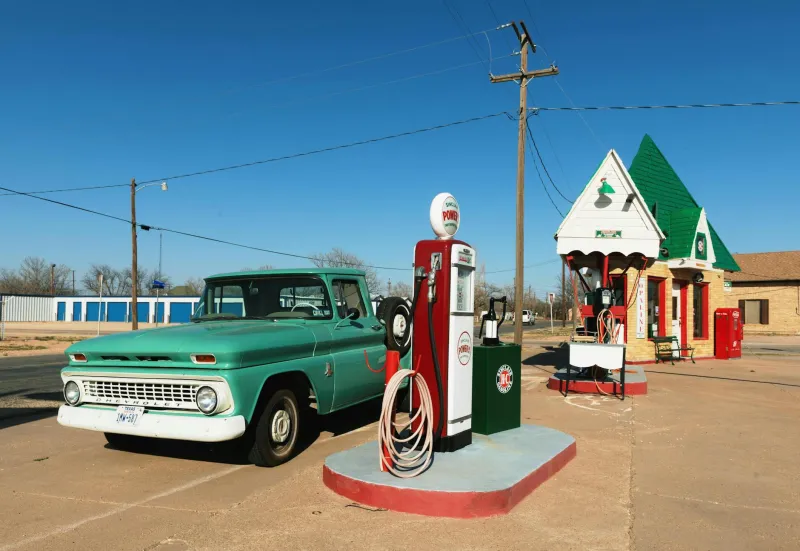
Go back to 1960, and both liquids cost virtually identical amounts — roughly 25 cents per gallon. Your grandfather could fill his Chevrolet Impala and grab milk for the kids with the same two quarters jangling in his pocket.
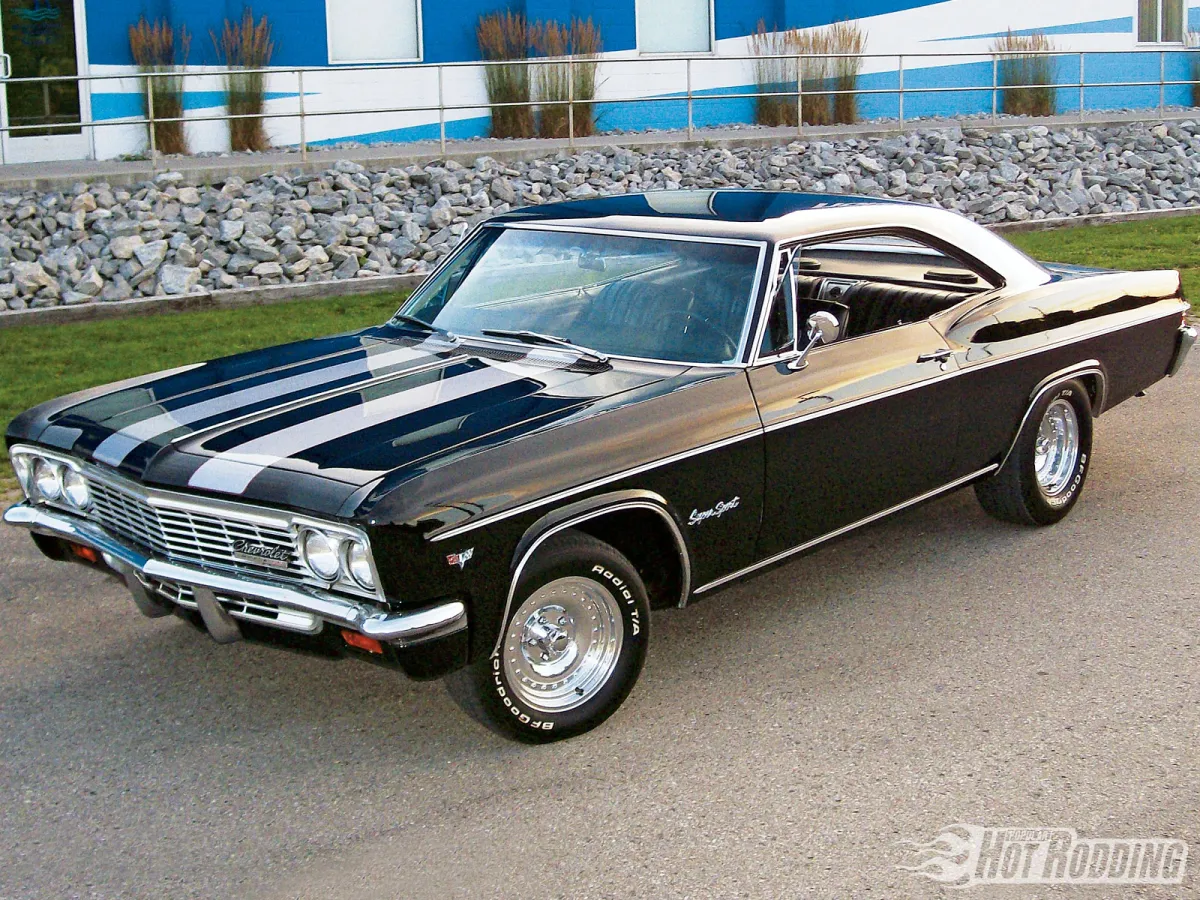 Photo: Chevrolet Impala, via eskipaper.com
When America Ran on Cheap Everything
The 1950s and early 1960s represented a unique moment in American economic history. Domestic oil production was booming, keeping gasoline artificially cheap. Meanwhile, small dairy farms dotted the countryside, and milk prices stayed stable through a combination of local production and modest government intervention.
Families budgeted for both items in the same mental category — basic necessities that cost about the same as a candy bar does today. Gas was so inexpensive that teenagers could cruise all weekend on a dollar's worth of fuel. Milk was affordable enough that it appeared on every dinner table, regardless of family income.
The parallel pricing made perfect sense to consumers. Both were essential liquids that kept America moving — one powered cars, the other powered growing children.
The Great Divergence Begins
Everything changed in 1973. The Arab oil embargo sent gasoline prices skyrocketing overnight, introducing Americans to their first real energy crisis. Lines stretched around city blocks as drivers waited hours to fill their tanks. Gas jumped from 30 cents to over a dollar per gallon within months.
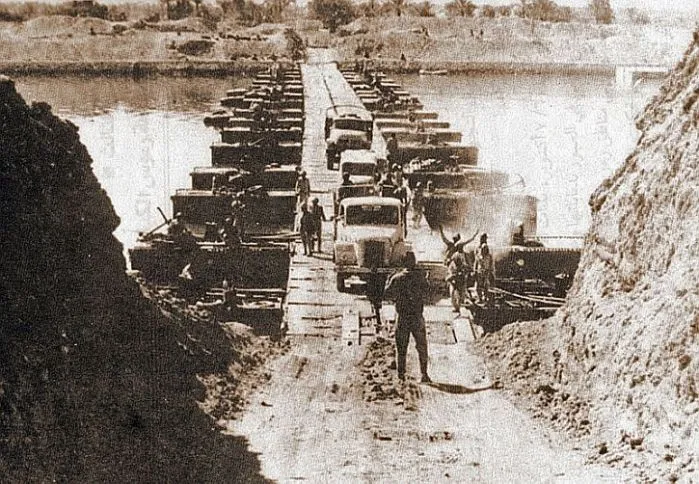 Photo: Arab oil embargo, via gerryco23.files.wordpress.com
Milk, meanwhile, stayed relatively stable. Protected by agricultural subsidies and domestic production, dairy prices rose gradually with general inflation. The result? For the first time in decades, filling your car cost dramatically more than feeding your family.
The 1979 Iranian Revolution delivered another shock to oil markets, pushing gasoline even further ahead of milk in household spending. Americans began making calculations their parents never had to consider: Is this trip worth the gas money?
 Photo: Iranian Revolution, via cdn.thecollector.com
How Government Picked Winners and Losers
Behind the price divergence lay two completely different policy approaches. The federal government treated oil as a strategic commodity subject to global market forces, while treating milk as a domestic staple worthy of protection.
Dairy subsidies, price supports, and import restrictions kept milk prices predictable for decades. Farmers received guaranteed minimum payments, and the government purchased surplus milk to maintain stable pricing. This system insulated American families from the wild price swings that characterized other commodities.
Oil policy moved in the opposite direction. Deregulation in the 1970s and 1980s exposed American consumers to global price volatility. When Middle Eastern conflicts erupted or OPEC restricted production, Americans felt it immediately at the pump.
The Consumption Revolution
As prices diverged, so did American habits. High gas prices in the 1970s sparked the first serious conversations about fuel efficiency. Detroit scrambled to build smaller cars, and Americans began thinking differently about driving. The Sunday cruise became a calculated expense rather than casual entertainment.
Milk consumption, paradoxically, began declining even as prices stayed relatively affordable. The rise of soda, juice boxes, and alternative beverages meant milk lost its monopoly on family refrigerators. By the 1980s, the average American drank less milk than their parents, even though it remained the cheaper option.
Today's Tale of Two Liquids
Modern Americans navigate a completely inverted relationship between these essential purchases. A gallon of gas, despite recent price increases, costs roughly what it did in 1980 when adjusted for inflation. A gallon of milk, meanwhile, has outpaced general inflation by a significant margin.
The reasons reveal how different these markets became. Gas prices remain tied to global oil markets, technological improvements in extraction, and strategic petroleum reserves. Milk prices reflect consolidation in dairy farming, higher feed costs, and evolving consumer preferences toward organic and specialty products.
What the Split Reveals About America
The milk-and-gas divergence tells a broader story about American economic transformation. In 1960, both represented local production meeting local demand. Today, gasoline connects us to global markets and geopolitical tensions, while milk reflects domestic agricultural policy and changing dietary habits.
Perhaps most significantly, the split shows how Americans learned to live with price volatility. Previous generations expected essential goods to cost roughly the same, year after year. Modern consumers accept that prices fluctuate based on forces beyond their control — from Saudi Arabian oil policy to Midwestern weather patterns affecting cattle feed.
The next time you're pumping gas and grabbing milk, remember: your grandparents made both purchases with the same mental calculation. Today, they represent two entirely different economic realities, shaped by decades of policy choices that quietly transformed how America shops, drives, and eats.