The $3 Tooth Cleaning That Came With Candy: How Dental Care Became America's Most Unaffordable Health Service
The Dentist Who Knew Your Name
In 1965, walking into Dr. Miller's dental office felt like visiting a family friend. The receptionist—usually his wife—greeted you by name, pulled your manila folder from a metal filing cabinet, and scheduled your next appointment in a handwritten ledger. A routine cleaning cost $3, about the same as a hamburger and fries at the local diner. You paid cash on your way out, often while unwrapping the lollipop Dr. Miller insisted didn't count if you brushed your teeth that night.
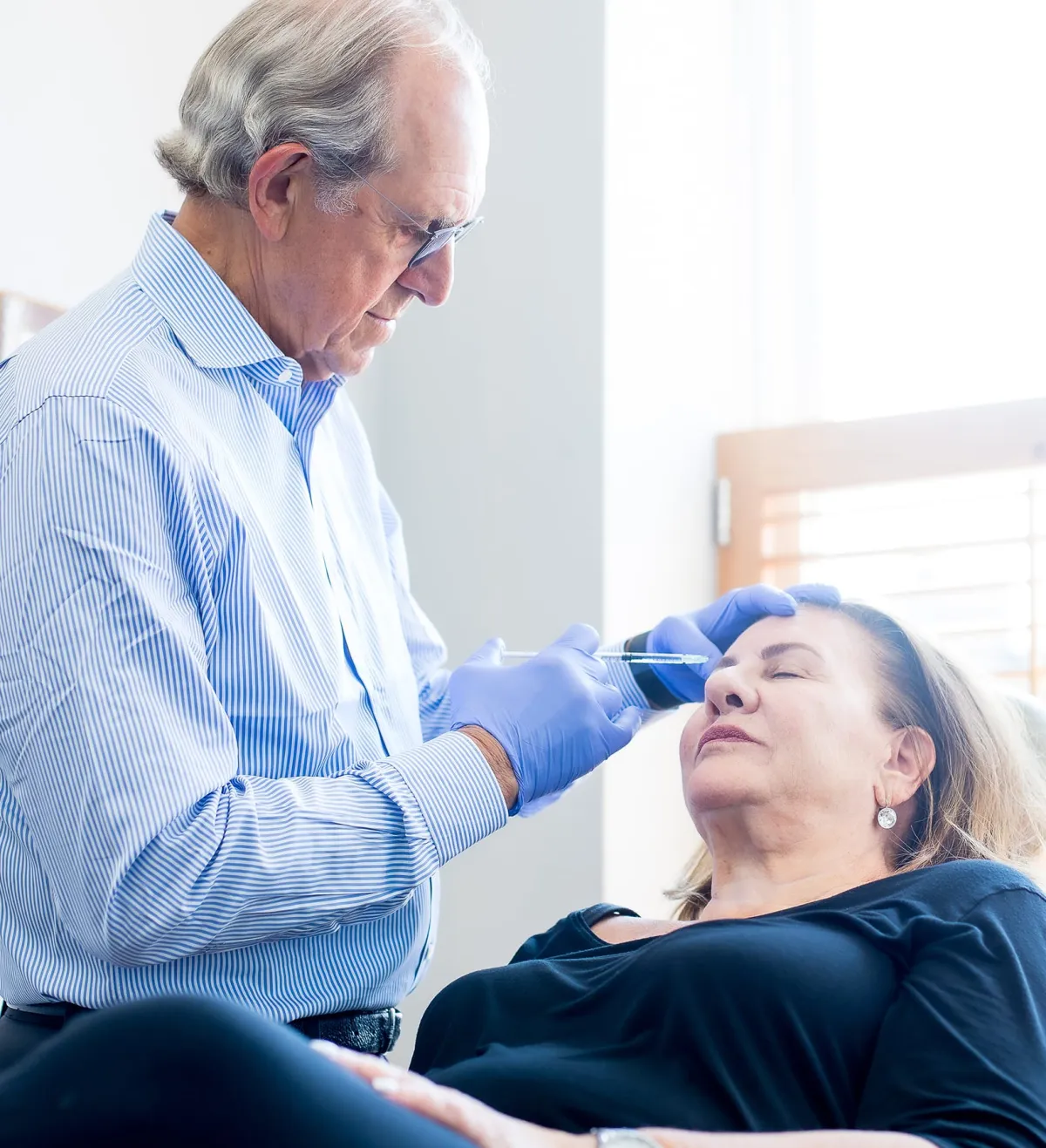 Photo: Dr. Miller, via www.datocms-assets.com
This wasn't healthcare as we know it today. It was neighborhood service, as routine as getting your hair cut or your car tuned up. Most Americans saw their dentist twice a year without thinking twice about the cost. The biggest dental expense most families faced was braces for the kids—a one-time investment of maybe $200 that parents saved toward for months.
When Insurance Wasn't the Gatekeeper
Dental insurance barely existed in the 1960s, and it didn't matter. The average American worker earned about $4,600 per year, making that $3 cleaning roughly 0.065% of annual income. Procedures were priced for real people with real budgets. A filling cost $5 to $8. A crown ran $25 to $40. Even a root canal—the procedure that strikes fear into modern wallets—topped out around $50.
Dentists operated small practices with minimal overhead. They owned their equipment outright, employed one or two staff members, and kept detailed records on index cards. The biggest technology investment was an X-ray machine that lasted decades. Without insurance companies dictating procedures or demanding pre-authorizations, dentists focused on prevention and straightforward treatment.
The Transformation Into Luxury Service
Today's dental visit tells a completely different story. The average cleaning costs $200 to $300—roughly 0.4% of median household income, representing a six-fold increase in relative cost. That's before you factor in the insurance maze that determines whether your cleaning is "covered" or requires a co-pay, deductible, or mysterious "usual and customary" fee adjustment.
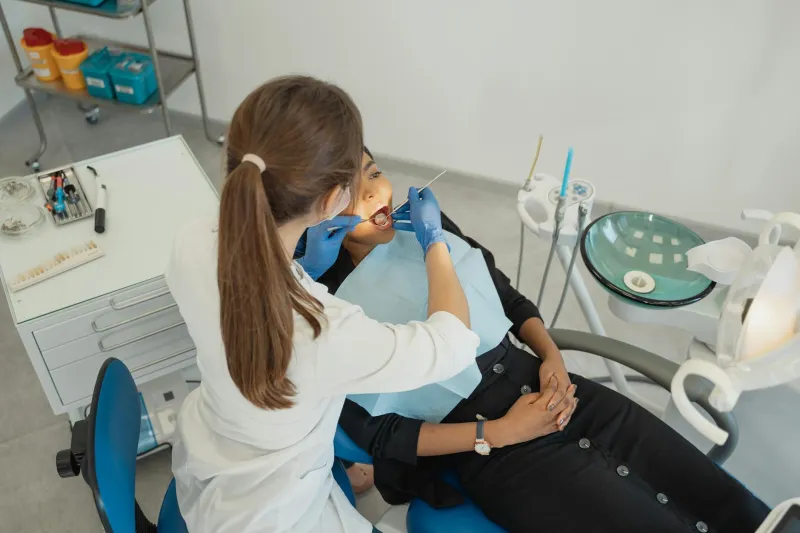
Modern dental offices look more like medical facilities than neighborhood practices. Digital X-rays, computerized scheduling systems, and specialized equipment represent massive capital investments that get passed along to patients. The single-dentist practice has largely given way to corporate dental chains and multi-specialty clinics where you might see a different provider each visit.
The Procedures That Broke the Bank
What really changed wasn't just the cleaning—it was everything else. A simple filling now costs $150 to $400, depending on the material and your zip code. Crowns start around $1,000 and can easily hit $2,000. That root canal your grandparents dreaded for $50? Try $1,500 to $3,000, not including the crown that usually follows.
Orthodontics transformed from a basic service into a luxury market. Braces that cost $200 in 1965 now run $3,000 to $8,000. Invisalign and other "premium" options can push the total over $10,000. What was once a standard part of growing up became a financial decision many families simply can't make.
The Americans Who Just Don't Go
The most telling difference isn't in the prices—it's in who shows up. In the 1960s, regular dental care was as common as annual doctor visits. Today, nearly 75 million Americans have no dental insurance, and millions more with coverage still skip care because of cost. Emergency room visits for dental problems have skyrocketed, as people wait until a toothache becomes unbearable.
The routine six-month cleaning became an annual event, then a biannual event, then something people do "when they can afford it." Preventive care—the foundation of oral health—became a luxury item. The result is a generation of Americans with dental problems that could have been prevented with the kind of routine care their grandparents took for granted.
What We Lost Along the Way
The shift from neighborhood dentist to healthcare industry represents more than inflation. It reflects a fundamental change in how we think about health services. When dental care was affordable, it was truly preventive. People fixed small problems before they became big ones. They maintained their teeth instead of replacing them.
The lollipop might seem trivial, but it represented something important: dental care as a normal part of life, not a financial crisis waiting to happen. Dr. Miller could afford to give away candy because his business model was built on keeping people healthy, not maximizing revenue per procedure.
Today's dental care delivers better technology and more sophisticated treatments than ever before. But for millions of Americans, the most advanced dental care in the world might as well not exist. The $3 cleaning that came with a lollipop has become a $300 procedure that comes with payment plan options and a recommendation to "discuss with your insurance company."
The question isn't whether dental care has improved—it clearly has. The question is whether improvement means anything if most people can't access it. Somewhere between the handwritten appointment book and the digital scheduling system, American dental care forgot that the best treatment is the one people can actually afford to receive.